
Color approval guide
Custom Underwear Color Matching: From Lab Dip to Bulk Approval
Control the color standard from the buyer’s first reference through lab dip, sample approval, material comparison and bulk production.
Decisions this guide helps you control
Start with one named physical or digital reference and state which component it controls.
Use lab dip, sample and bulk checks as separate approval gates.
Review fabric, waistband, thread, labels and print as one color system.
In this guide
Custom underwear color matching is an approval process, not a single Pantone number. A useful reference establishes direction, but fiber, knit construction, finish, elastane content, lighting and surrounding components can change how the same target appears. OEM buyers reduce avoidable rework by defining the reference, approval authority, viewing conditions and production checkpoints before bulk material is committed.
Custom underwear color matching: the short answer
Give the supplier one traceable color target, identify the material and component to which it applies, and record the accepted lab dip or physical swatch. Then confirm the approved shade on the sample and compare bulk material against that same standard. A lab dip is evidence for one material route; it is not a guarantee that every fiber, trim or print process will look identical.
Color approval chain
| Control point | Buyer evidence | Approval decision |
|---|---|---|
| Target | Named color code plus physical swatch or approved product where available. | Which reference governs if digital and physical references differ? |
| Lab dip | Supplier submission identified by material, color, date and version. | Approve, reject or request adjustment in writing. |
| Sample | Garment made with approved or clearly provisional material and components. | Confirm the total visual result, not fabric alone. |
| Bulk material | Production-lot comparison against the retained standard under agreed viewing conditions. | Release, hold or escalate before cutting. |
| Finished garment | Fabric, waistband, thread, labels and print reviewed together. | Approve packing only against the controlled specification. |
Exact shade feasibility depends on the selected fiber, knit, finish, quantity, dyeing or printing route and supplier confirmation. This guide does not promise a numerical tolerance or an exact cross-material match.
1. Start with a clear color reference
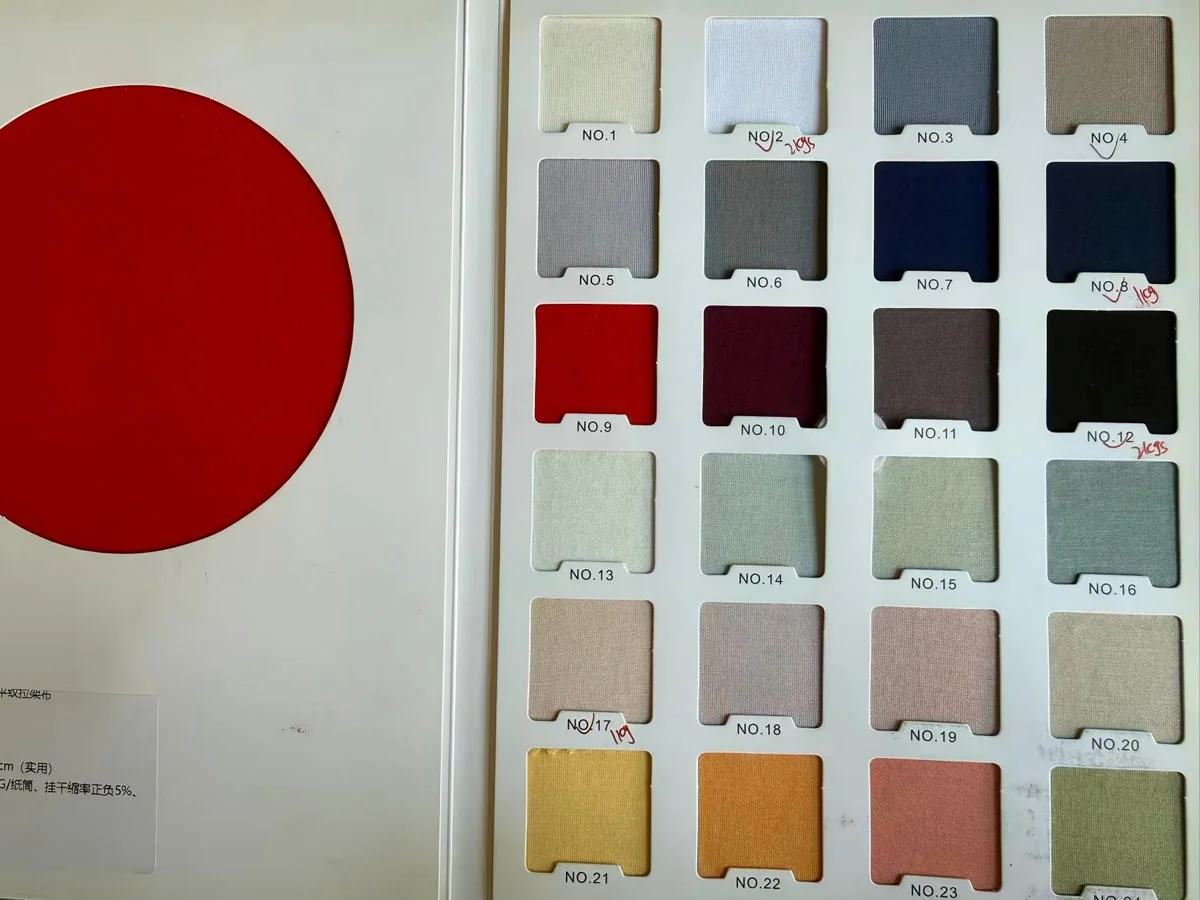
Write the color into the specification using a stable name or code, but do not rely on a screen image alone. Displays, compression and ambient light can shift appearance. When color is commercially important, add a physical swatch, approved garment, trim sample or signed color card.
State what the reference controls
- Main body fabric
- Contrast panels or binding
- Waistband ground and logo yarn
- Sewing thread
- Print or heat-transfer color
- Labels and packaging
If one reference cannot control every component, create a component color matrix. This prevents a body-fabric approval from being mistakenly treated as approval for elastic, ink or packaging.
2. Use the lab dip as a documented approval gate
A lab dip is a small dye trial used to judge whether the proposed shade is suitable for the selected material. Record the submission date, material description and version. If several options are submitted, identify them individually so the approval cannot be confused.
Review the sample under consistent lighting and beside the governing reference. The buyer should issue one clear decision: approved, rejected, or adjustment requested. Comments such as “almost right” are not a production instruction.
The factory and buyer should refer to the same approved submission when reviewing the sample and bulk lot. Photographs can support records, but they should not silently replace the physical standard.
3. Expect different materials to render color differently
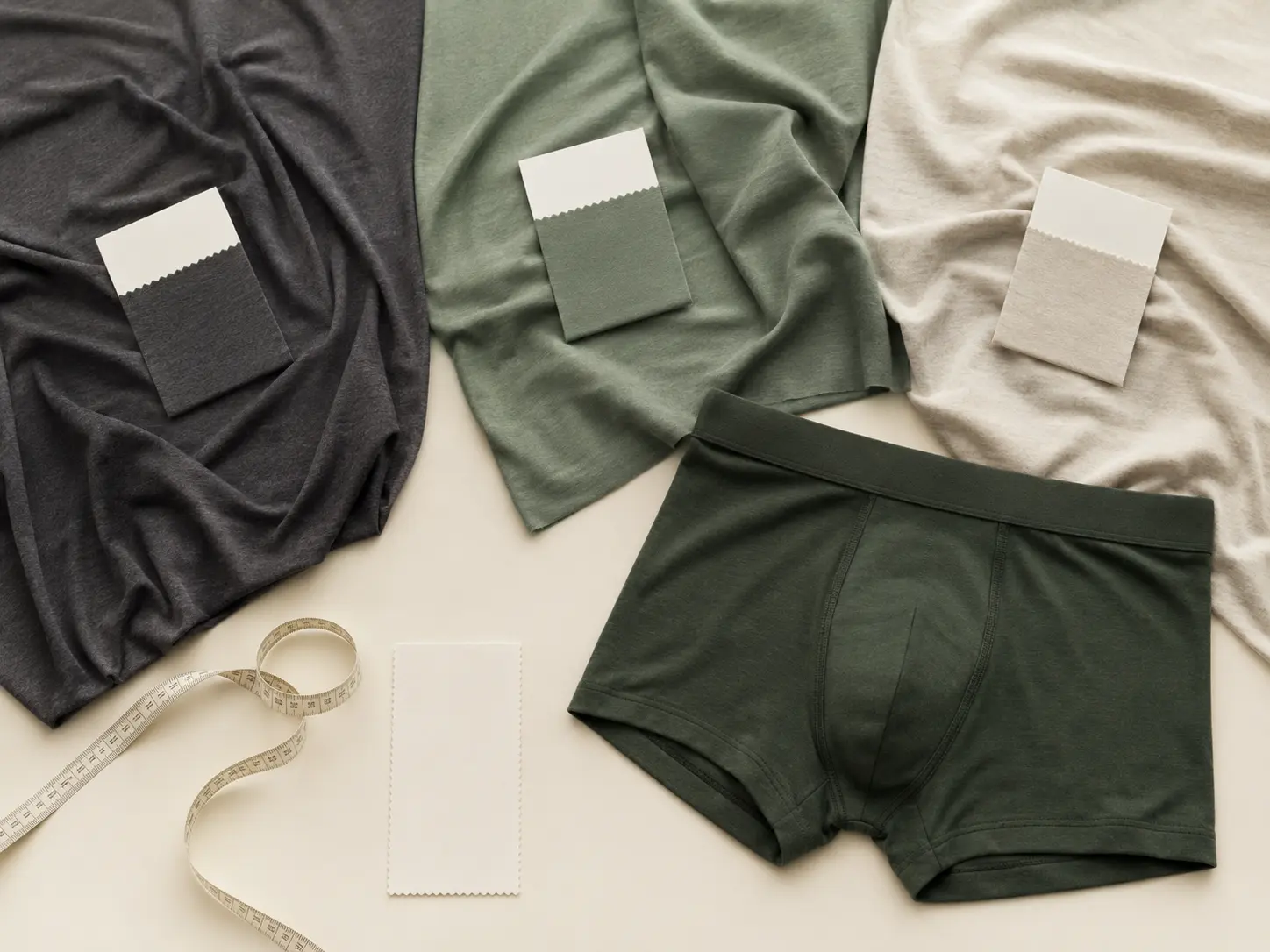
Cotton, modal, bamboo-derived viscose, nylon, polyester and elastane blends do not automatically absorb or reflect color in the same way. Yarn type, knit density, surface texture and finishing can also change perceived depth and brightness.
The same named color can therefore require a different development route for body fabric, mesh, binding and waistband. The commercial decision is whether the components must be visually coordinated or technically identical—a distinction buyers should make before development.
Components are approved as a harmonious set when their different materials make an exact appearance unrealistic.
Each material receives its own reference and approval when a tighter relationship is essential.
4. Carry the approval into bulk material
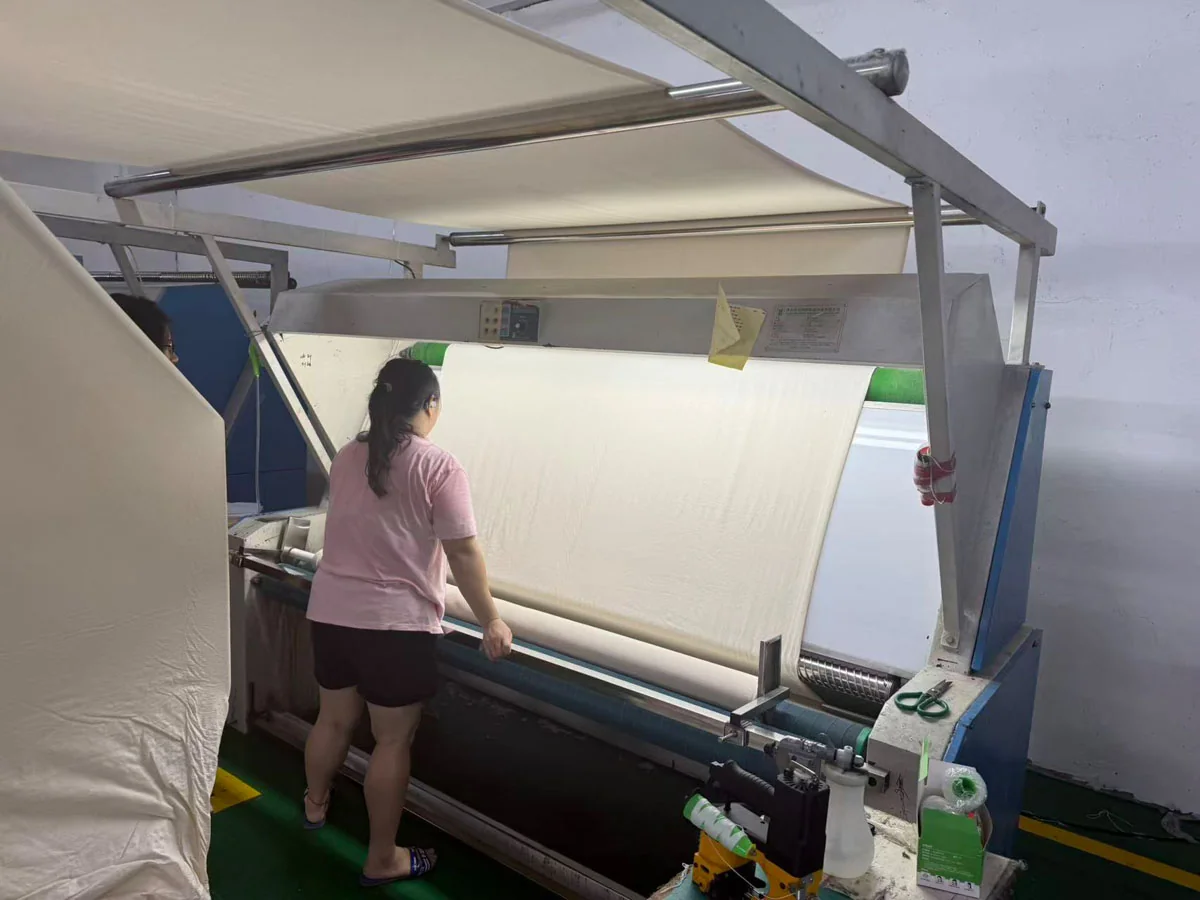
Lab-dip approval is not the end of color control. Bulk dyeing uses a production lot, so incoming material should be checked against the retained standard before cutting. Review roll-to-roll and within-roll consistency where the project requires it, and keep the lot identity traceable.
If a bulk lot is outside the approved direction, resolve the disposition before cutting turns a material issue into finished garments. The response depends on the degree of difference, end use, schedule and replacement feasibility; it should not be decided by an undocumented assumption.
5. Do not change the color standard during production
Once the approved standard is linked to the production specification, any change should be version-controlled. A new reference, revised trim color or substituted material can invalidate the earlier approval.
Record who requested the change, which components are affected, whether a new lab dip or sample is required, and what happens to already purchased material. This protects schedule and commercial accountability.
| Change | Likely review |
|---|---|
| New body-fabric color | New material color submission and sample-impact review. |
| Different composition | New shade evaluation because the material response may differ. |
| Waistband logo-color revision | Updated waistband artwork or physical submission. |
| Print color revision | New strike-off or sample route as confirmed for the method. |
6. Link color approval to production planning
Color development affects material booking, sample timing and bulk release. Confirm the required approval gates before setting a delivery expectation. For fully customized men’s cut-and-sew underwear in a normal production period, current planning is approximately 60 calendar days only after final specifications, approved samples, required materials and documents, deposit, approvals and scheduling are confirmed.
Peak-period projects may require approximately 60–75 calendar days, subject to actual factory and supplier workload and project complexity. These estimates cover production only and exclude international transport, customs and customer receipt.
Frequently asked questions
Can a Pantone code guarantee an exact underwear fabric color?
No. A code is a useful direction, but the selected fiber, knit, finish and viewing conditions affect the result. Approve the actual material submission.
Is a photo enough to approve a lab dip?
A photo may help communicate feedback, but screen and camera variation make it unsuitable as the only standard when shade accuracy matters.
Should the waistband match the body fabric exactly?
Not automatically. Elastic and fabric are different materials. Define whether the goal is visual coordination or a component-specific match and approve both.
When should bulk color be checked?
Review the production lot before cutting and compare it with the retained approved standard using the agreed process.
What happens if the color changes after sample approval?
Treat it as a controlled specification change. Confirm the affected components, new approvals, material impact and schedule before proceeding.
Make color approval traceable before bulk.
Share your target, material and component matrix so Sunin can identify the required color-development gates.