
Underwear Fabric Pilling and Colorfastness: A B2B Testing Brief
Separate surface pilling, wash color change and rubbing transfer so each project requests the evidence it actually needs.
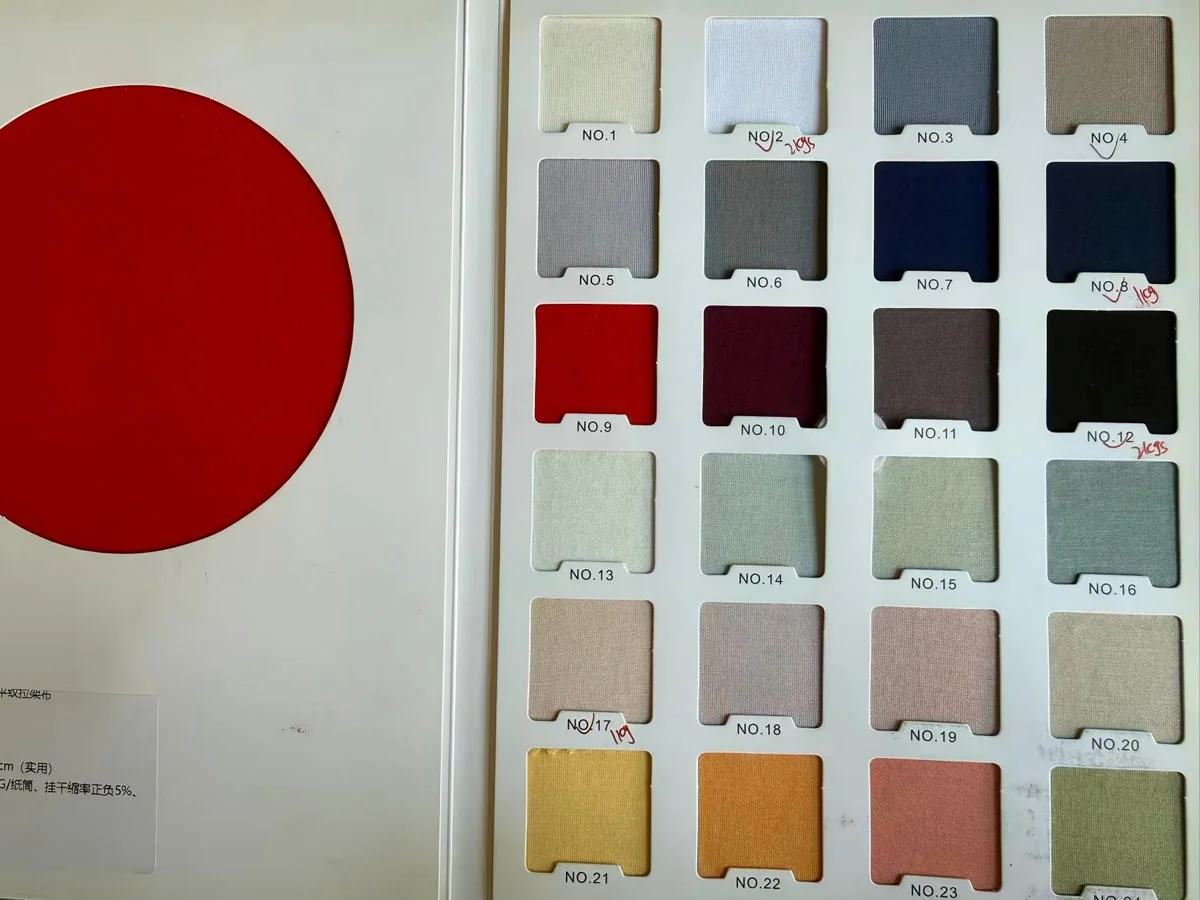
Fiber, yarn, knit, finish, abrasion and care conditions can influence appearance.
Wash change, staining and rubbing transfer answer different questions.
Record the required method, material, color, acceptance rule and responsible laboratory before testing.
Scope note: This is a testing-brief guide, not a claim that every Sunin order receives the same laboratory tests. Test method, conditioning, care cycle, acceptance grade, laboratory and document scope must be confirmed per project.
In this guide
- Why Should Brands Evaluate Both Properties?
- What Is Fabric Pilling?
- What Is Colorfastness?
- Build a Testing Matrix Before Sampling
- Why Do Color, Fabric and Finish Change the Decision?
- What If a Test Result Is Outside the Agreed Requirement?
- How Does Testing Fit Into the Production Schedule?
- Frequently Asked Questions
- Define Fabric Testing Before Your First Bulk Order
Direct answer: Pilling and colorfastness describe different aspects of fabric performance. Pilling concerns the formation of small fiber balls or surface changes; colorfastness concerns how color behaves under a defined exposure such as laundering or rubbing. OEM underwear buyers should specify the relevant property, test method, sample condition and acceptance criteria before treating a supplier claim as a production requirement.
Why Should Brands Evaluate Both Properties?
A men’s boxer brief can retain its dimensions yet develop unwanted surface fuzz or visible color change. These issues are not measured by the same test. For a private-label brand, the relevant concern depends on the fabric, color, intended use, care instructions and market requirements.
Neither a smooth hand feel nor a fiber name is enough to predict how a particular fabric will perform. The selected material, construction, finishing and test conditions matter.
What Is Fabric Pilling?
Surface appearance is the question
Pilling involves small clusters of fibers forming on the fabric surface during friction or wear-like exposure. The amount and appearance can vary with yarn characteristics, knit construction, finishing and the test method. Pilling is not the same as a hole, a broken seam or fabric shrinkage.
Test the material you intend to buy
If the buyer specifies a pilling requirement, the test sample should correspond to the proposed production fabric. Ask the supplier or laboratory to identify the method and how the result is graded. Do not compare ratings obtained by different methods as though they were identical.
What Is Colorfastness?
Colorfastness refers to the behavior of a dyed or printed material under a specified condition. Different tests answer different questions. A fabric may perform adequately under one condition and differently under another.
Laundering-related color change
For a garment intended to be washed, buyers may want to understand how the shade changes under the agreed laundering procedure and whether staining occurs on adjacent materials. The method and care conditions should match the product requirement.
Rubbing-related color transfer
Rubbing tests can evaluate transfer under defined dry or wet conditions. The relevant risk may be different for dark solid fabrics, printed materials and contrast components. The buyer should define which colors and components need review.
Printed graphics and elastic components
A placement print or branded waistband may use different materials and coloring processes from the body fabric. Do not assume a body-fabric report automatically covers a printed graphic or elastic logo.
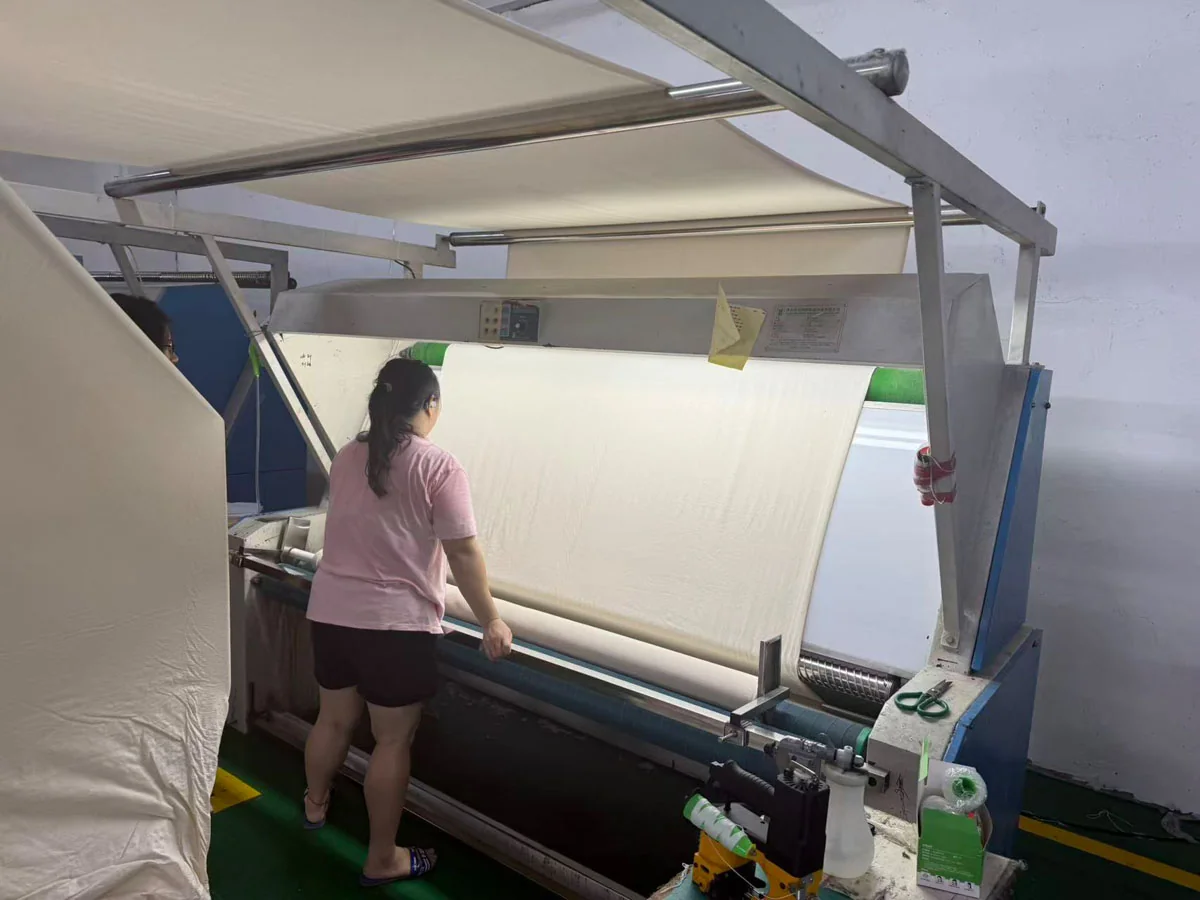
Build a Testing Matrix Before Sampling
| Property | Material or component | Question to define | Evidence to request |
|---|---|---|---|
| Pilling | Body fabric or lining | What surface appearance is acceptable? | Method, tested material and result |
| Wash color change | Dyed or printed fabric | Which care procedure applies? | Method, conditions and result |
| Color staining | Fabric with adjacent materials | Which transfer or staining concern matters? | Method, adjacent material and result |
| Dry/wet rubbing | Relevant colors and prints | Which rubbing condition is specified? | Method, condition and result |
| Appearance after care | Finished garment | Does the complete product remain acceptable? | Approved care procedure and garment review |
This matrix is a planning aid, not a universal test specification. Buyers should confirm the applicable standards and limits with their technical or compliance team for the exact product and destination market.
Why Do Color, Fabric and Finish Change the Decision?
Different fiber blends and dyeing or printing routes can produce different outcomes. Dark, high-contrast or saturated designs may call for particular attention, but the actual risk should be assessed rather than assumed. A proposed finish may change surface appearance or care behavior, and the effect should be checked on the intended production material.
When comparing two fabrics, use the same method and relevant conditions wherever possible. A supplier’s marketing description is not a substitute for the agreed test evidence.
What If a Test Result Is Outside the Agreed Requirement?
Identify the exact material, batch and test conditions before deciding what the result means. Possible next steps include confirming the report, retesting under the agreed procedure, reviewing the material or finish, and seeking buyer approval for any proposed change. Do not replace the fabric or relax the acceptance criteria without documenting the decision.
Factory note: A laboratory report is meaningful only when the tested material and conditions are relevant to the actual production specification. A result for one fabric or batch should not be presented as proof for every fabric the supplier can offer.
How Does Testing Fit Into the Production Schedule?
Agree required evidence during fabric selection so that material approval does not become an unexpected issue after sampling. Use the B2B fabric selection guide for the wider specification and the quality control guide for inspection planning.
For fully customized orders during a normal production period, Sunin Underwear generally estimates approximately 60 calendar days. Peak-season full-custom orders may require approximately 60–75 calendar days. Final timing is project-specific and begins only after specifications, the approved sample or final production version, the required payment, materials and documents are confirmed and production scheduling is approved. International shipping is separate. Additional testing requirements should be included in project scheduling.
Frequently Asked Questions
Is pilling the same as shrinkage?
No. Pilling concerns fabric surface appearance, while shrinkage is a dimensional change under a defined treatment.
Does a fabric’s composition guarantee a pilling grade?
No. Yarn, construction, finishing and testing conditions also influence the result.
Is colorfastness one single test?
No. Color behavior can be evaluated under different conditions, such as laundering or rubbing, with separate methods and results.
Can a supplier report cover every colorway?
Not automatically. Check the exact tested material, color or batch and whether the evidence applies to the proposed order.
Should printed underwear be reviewed separately?
Where printing is part of the design, its appearance and relevant color performance should be reviewed using the intended fabric and print process.
Define Fabric Testing Before Your First Bulk Order
Send Sunin Underwear your fabric composition, color plan, intended care requirements, garment style and any buyer-required test methods. We can review which material and component questions need to be resolved before production planning.
Discuss your underwear fabric testing brief
Related resources: Modal Underwear OEM · Sample Development
Ask one test question at a time.
A useful testing brief separates the risk, method and acceptance decision instead of treating “colorfastness” as a single blanket claim.