
Fabric testing guide
Underwear Fabric Shrinkage Testing: What OEM Buyers Should Specify
Define the wash method, measurement points, specimen state and acceptance process before shrinkage results are used for fit or bulk approval.
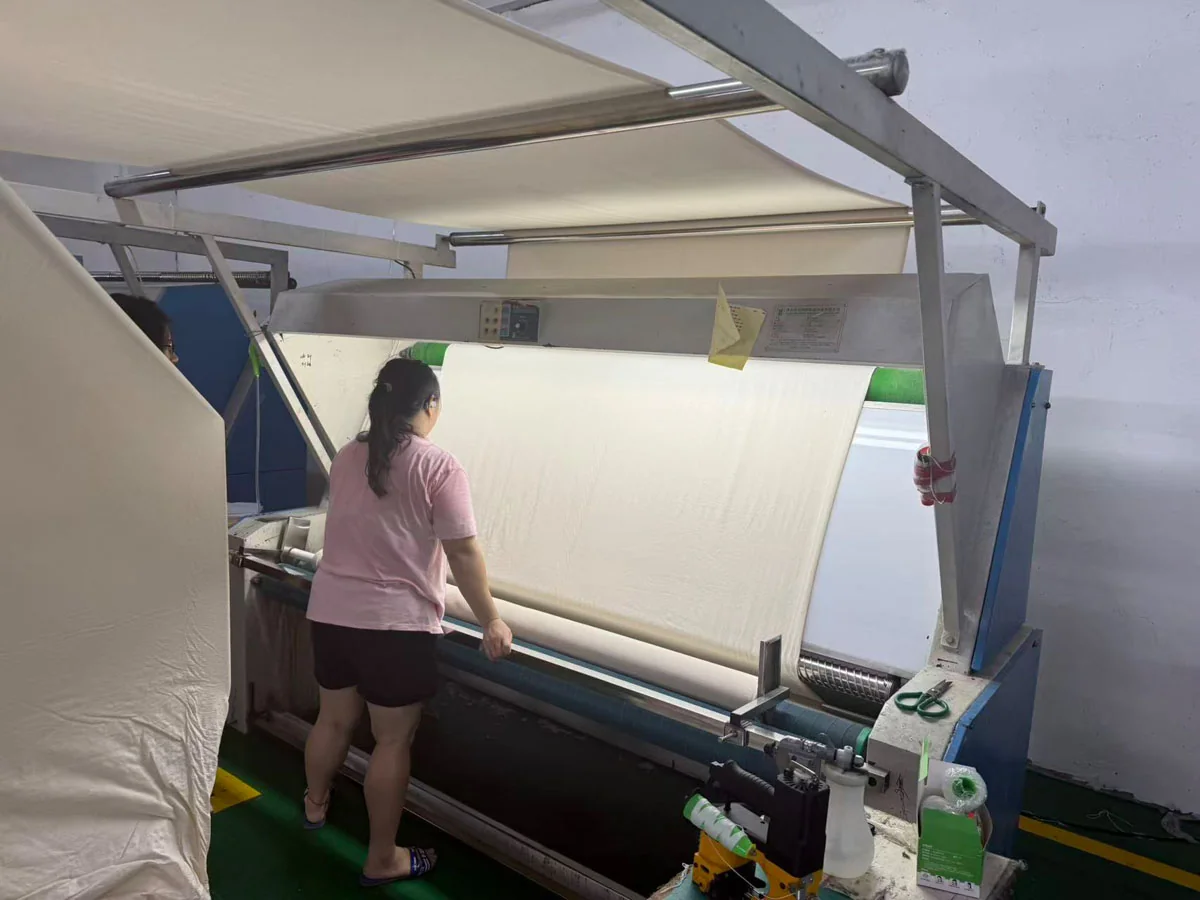
Decisions this guide helps you control
Conditioning, wash cycle, drying route and measurement method must be written.
Use confirmed dimensional change when evaluating sample measurements and grading.
Define when fabric and garment evidence is reviewed before cutting and shipment.
In this guide
Underwear fabric shrinkage testing protects fit consistency only when the method is controlled. A percentage without the fabric identity, measurement direction, wash and drying procedure, number of cycles and specimen condition cannot support a reliable production decision. Buyers should specify the evidence they need, then connect the result to pattern development, sample approval and bulk material release.
Underwear fabric shrinkage testing: the short answer
Define the fabric or garment being tested, the marked measurement directions, conditioning, wash and drying procedure, cycle count, measurement timing and acceptance authority. Review length and width separately because they may change differently. Use the confirmed result to assess pattern and fit, and repeat the agreed check on the relevant production lot when required.
Shrinkage specification matrix
| Specification item | What the buyer should define | Why it matters |
|---|---|---|
| Specimen | Fabric swatch, finished garment, or both; identify material and lot. | Fabric and garment results answer different questions. |
| Direction | Lengthwise and widthwise marked measurement points. | Dimensional change may differ by direction. |
| Care process | Wash conditions, detergent if relevant, drying method and cycle count. | Results cannot be compared across undefined methods. |
| Measurement | Conditioning and timing before initial and final readings. | Moisture and relaxation can affect the reading. |
| Acceptance | Project-specific limit or approved reference, plus decision owner. | Avoids inventing a universal tolerance. |
| Record | Photos, specimen ID, lot, test date, method and result. | Keeps the decision traceable. |
Project-specific tolerances and recognized laboratory methods must come from the buyer’s market, product brief or agreed test plan. This guide does not assign a universal shrinkage percentage or claim third-party testing by default.
1. Define what shrinkage testing measures
Shrinkage testing compares controlled dimensions before and after a specified care process. Record dimensional change separately in the fabric length and width directions. Garment measurements may also be checked at identified points such as waist, hip, rise, inseam and leg opening when the approved plan requires it.
Dimensional change can include shrinkage, growth or distortion. The report should state what was measured rather than using “shrinkage” as a vague label.

2. Understand the impact on underwear fit
Men’s underwear is close fitting, so dimensional change can affect waist tension, rise, pouch position, leg opening and inseam. A result that appears small in one flat dimension may still matter when several panels and stretch components interact.
Review the intended care claim and end-use fit before deciding what evidence is commercially important. A lounge boxer, compression-style base layer and everyday boxer brief do not automatically share the same risk profile.
Pattern allowance should use repeatable evidence from the selected material and an agreed test method, not a single informal wash.
3. Do not predict shrinkage from composition alone
Two fabrics with the same fiber percentages can behave differently because of yarn, knit construction, GSM, elastane performance, finishing, dyeing and heat setting. Supplier data can help screen an option, but the actual selected material route should support the approval decision.
Composition, knit, target GSM, color, finish and supplier or lot identity.
Controlled method, marked dimensions, result by direction and the tested specimen identity.
4. Define the test method before sampling
The tech pack or quality plan should state the test conditions required by the project. If a named standard is contractually required, confirm the current method, laboratory capability and reporting scope rather than adding an unverified standard number.
- Specimen dimensions and markings
- Conditioning before measurement
- Wash and dry procedure
- Number of cycles
- Measurement timing
- Calculation and rounding rule
- Project-specific acceptance basis
- Who approves exceptions
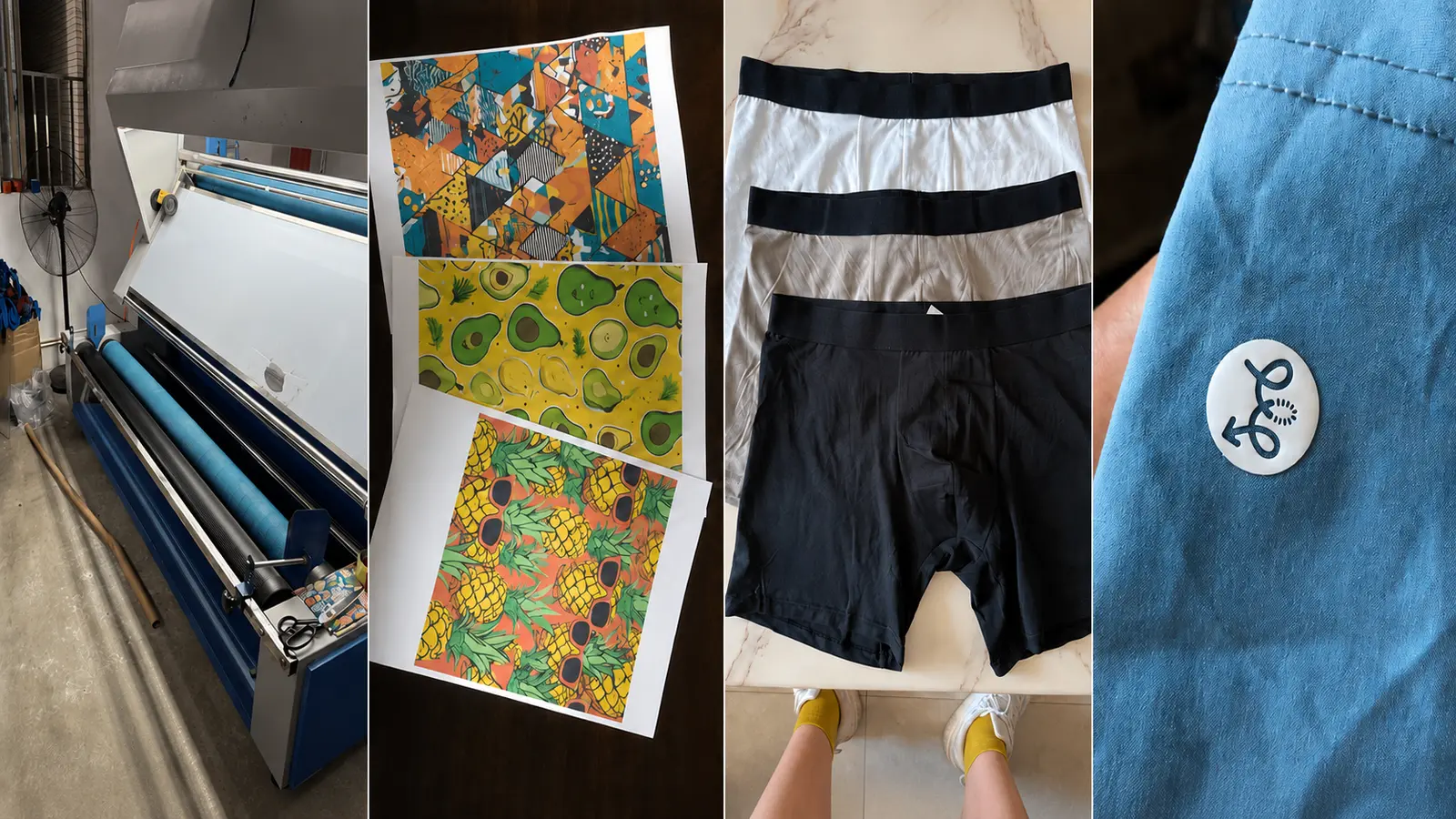
5. Use fabric and garment testing for different decisions
Fabric testing helps evaluate the material before cutting and supports pattern decisions. Garment testing shows the combined behavior of panels, seams, waistband, thread and finishing. One does not automatically replace the other.
| Evidence | Primary use | Important limitation |
|---|---|---|
| Fabric specimen | Material screening, directional change and pre-cutting control. | Does not show the complete garment construction. |
| Development garment | Fit review after the agreed care process. | May use provisional material or components unless identified. |
| Bulk garment | Production verification from the relevant lot. | Sampling plan and acceptance basis must be agreed. |
6. Apply confirmed evidence to pattern and grading
The pattern team should know which material result is approved, which direction aligns with each panel and whether the sample uses production-intent fabric. Do not hide a material problem by arbitrarily enlarging the pattern; verify that the adjusted garment still meets the target before and after care.
When the base size changes, review the graded sizes as a system. Elastics, bindings and panel proportions can respond differently across the range, so the approved base-size result is a starting point rather than proof for every size.
7. Carry the requirement into bulk quality control
Identify the production lot, specimen and record used for the bulk check. If several fabric lots or colors are present, define the sampling approach in the quality plan. A failed or uncertain result should be resolved before cutting or packing, depending on the test stage.
Frequently asked questions
What is an acceptable shrinkage percentage for underwear fabric?
There is no single universal figure for every material and market. Set the project-specific limit from the product requirement, care claim, material route and agreed test method.
Should buyers test fabric or finished garments?
They answer different questions. Fabric evidence supports material and pattern decisions; garment evidence checks the combined product after construction.
Can a supplier composition sheet predict shrinkage?
No. Composition alone does not capture yarn, knit, finish, dyeing, heat setting or the exact production lot.
Does pre-washing mean the fabric will not shrink?
No. Any such finish should be evaluated through the agreed method; avoid an absolute “no shrinkage” claim.
When should bulk shrinkage be checked?
The quality plan should define the checkpoint. When material risk affects pattern or fit, evidence before cutting is especially important.
Connect dimensional stability to fit.
A controlled method gives buyers evidence that can support pattern, sample and bulk decisions.