

Commercial feasibility guide
Custom Underwear MOQ: What Actually Determines the Minimum Order?
Understand how style, color, fabric, waistband, packaging and development scope combine to determine a workable starting quantity for a custom underwear program.
Decisions this guide helps you control
A typical custom program may start around this direction, subject to material, colors and customization.
A workable total can fail when fabric, elastic or print requirements are divided too widely.
Fewer variables can reduce waste and commercial risk without weakening the product.
In this guide
MOQ is not a single number printed on a factory price list. It is the smallest commercially workable configuration after garment production, fabric, dyeing, waistband, labels, printing, packaging and quality control are considered together. For a B2B buyer, the right question is not only “What is your MOQ?” but “Which part of my specification is controlling the minimum?”
Custom underwear MOQ: the short answer
For Sunin’s standard full-custom men’s cut-and-sew programs, a practical planning starting point is generally 1,000 pieces per style. A two- or three-color plan may sometimes allocate roughly 300–350 pieces per color, subject to the exact fabric, color, waistband, print, packaging and production confirmation. Lower-quantity single-color or in-stock light-customization routes are conditional alternatives—not universal promises.
Find the component controlling the minimum
| If the constraint is… | Ask this first | Lower-risk option to review |
|---|---|---|
| Fabric or color | Is the material available, custom dyed, printed or fully developed, and what applies by color or batch? | Use an available construction or reduce the number of custom colors. |
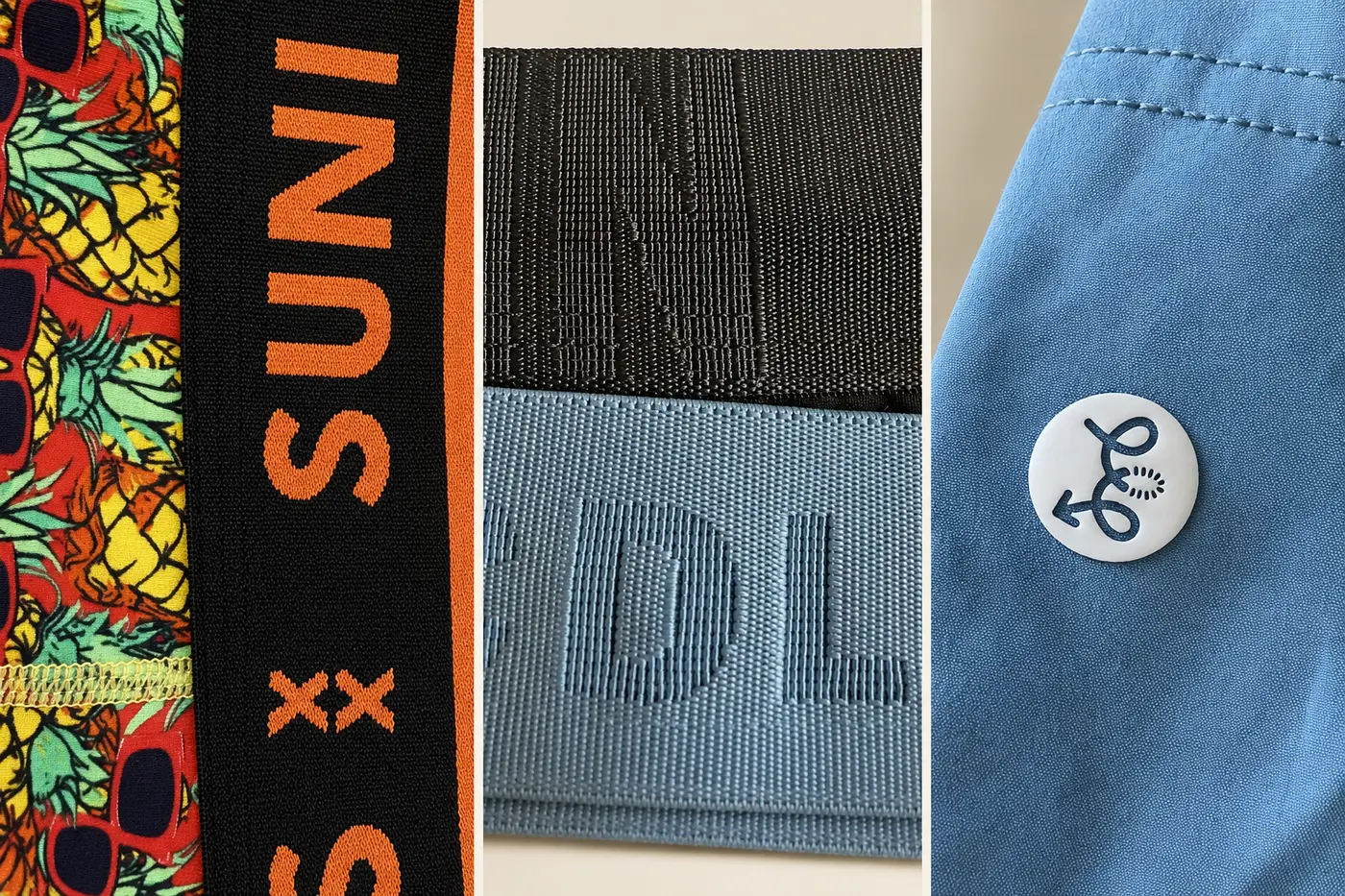
| Jacquard waistband | What elastic width, logo repeat, yarn colors and supplier setup apply? | Use an available elastic or a simpler branded application for validation. |
| Printing or logo process | Does the setup apply by artwork, placement, size, color or garment panel? | Consolidate artwork and placements before splitting into variants. |
| Packaging | Which box, bag, label, barcode or assortment requirement has its own supplier minimum? | Start with standard export packaging and add custom retail packs after demand validation. |
| Style and color allocation | How is the total divided by style, color and size? | Concentrate the first program into fewer variants while preserving the core fit test. |
All quantities are working directions subject to exact product, material, color allocation, components, packaging and production confirmation. Review the Sunin Underwear Resource Center, custom waistband MOQ guide, private-label packaging guide and sample development guide.
1. What MOQ means in a custom underwear project
A custom program creates fixed setup work before the first sellable unit is produced. Pattern and sample development, material preparation, cutting, machine settings, branding, inspection and packaging all have to be distributed across the order.
The commercial minimum therefore depends on the scope. A repeat style using an approved available fabric is different from a new pattern with custom-dyed fabric, a woven or jacquard waistband, multiple colors and retail packaging.
A number without style, color, material and customization scope is only a rough indication.
2. Sunin’s current starting direction
For a typical custom men’s underwear program, Sunin’s current public starting direction is approximately 1,000 pieces per style. This is a planning reference, not an unconditional promise. Actual feasibility depends on fabric, color split, waistband, labels, packaging, print method, size range and order structure.
A project near this level should be reviewed with its real bill of materials. The confirmed MOQ belongs in the quotation or project brief after each supply component has been checked.
| Planning input | Why it matters |
|---|---|
| Quantity per style | Controls pattern, cutting and sewing setup. |
| Quantity per color | May trigger dyeing, printing or elastic constraints. |
| Size allocation | Determines marker efficiency and usable quantity. |
| Customization level | Adds supplier-specific minimums and development work. |
3. Style and color structure can control the real minimum
One thousand pieces of one boxer brief in one fabric and one color is not equivalent to one thousand pieces divided across several styles and many colors. Each split can create separate cutting, material and setup requirements.
One approved style, fewer colors and a focused size allocation usually creates a simpler production program.
Multiple styles, small color lots and different materials can create separate constraints even when the combined total looks sufficient.
When the launch needs variety, prioritize the combinations most likely to sell and hold secondary colors for a later repeat. This protects cash flow and creates cleaner production evidence.
4. Fabric constraints often come before sewing
The garment factory may be able to sew the requested quantity while the fabric mill or dyeing process requires a different batch structure. Composition, knit, GSM, color, finish, printing and testing can each affect feasibility.
- Available fabric and current colors
- Custom-dyed color requirements
- Print method and artwork coverage
- Material width and marker efficiency
- Required documentation or testing
- Repeat-order and lot-consistency needs
If the program is below a custom-material requirement, an available construction or color may be the strongest route to a first paid order. Review the Sunin Underwear Resource Center for related material and development guidance.
5. Waistband and trim requirements add their own minimums
Exposed elastic, woven elastic, jacquard logos, color matching, repeat length, width and finish can create independent supplier requirements. Labels, heat transfers and other trims can do the same.
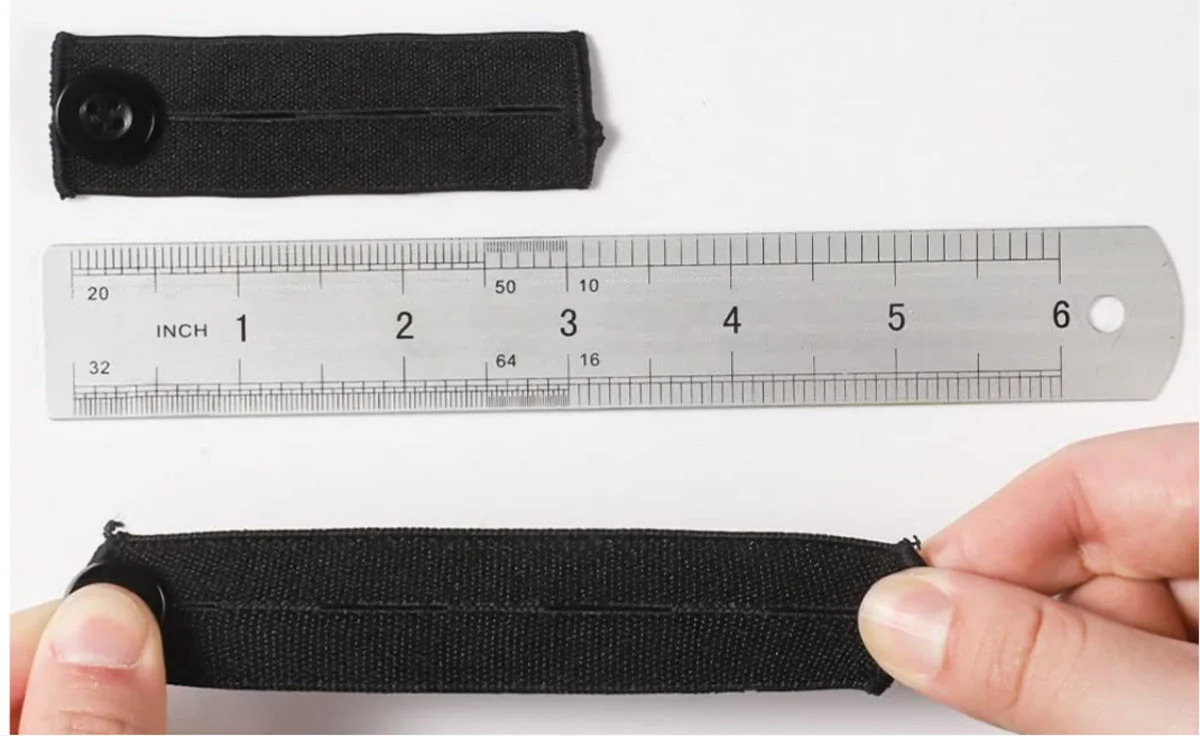
Before developing custom elastic, define waistband width, ground color, logo artwork, repeat, orientation, stretch direction and acceptable appearance. If order structure is still uncertain, an approved simpler waistband can reduce development risk.
6. Packaging is part of MOQ—not an afterthought
Printed boxes, sleeves, inserts, labels, stickers and polybags may each carry a supplier minimum. Packaging also changes assembly time, carton planning and documentation.
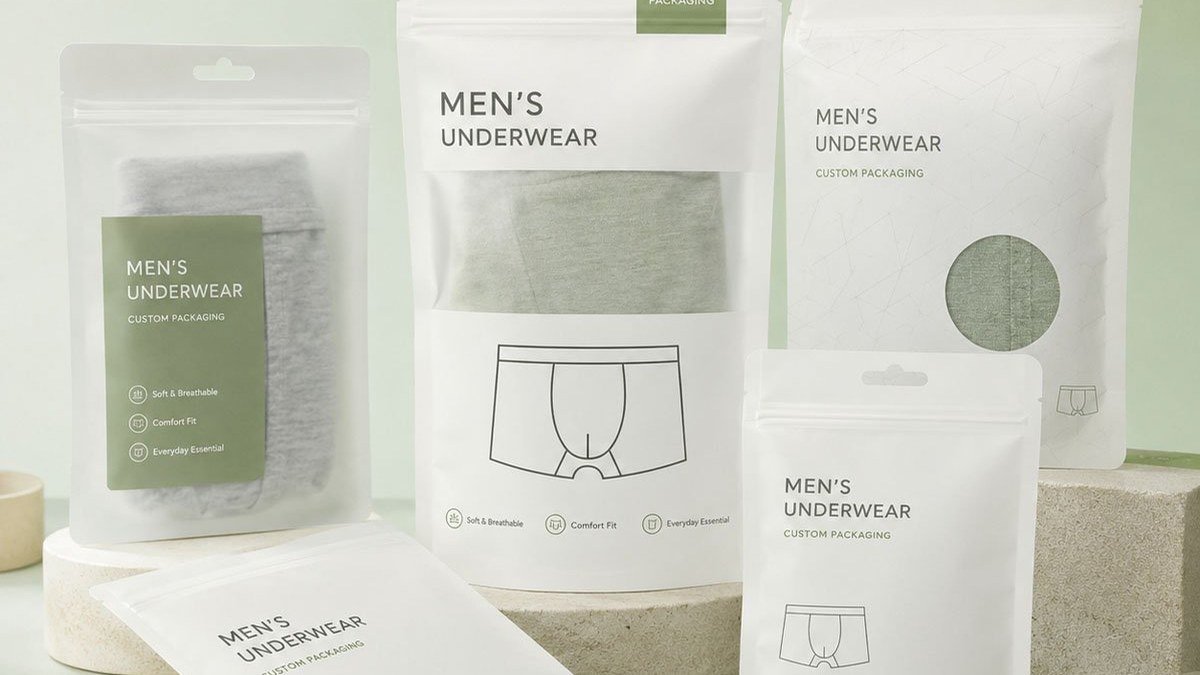
For a first run, it can be commercially stronger to use a simple approved pack format with a controlled label than to commit to several low-volume printed components. See the private-label packaging guide for the required inputs.
7. Complete paid development before final MOQ commitment
MOQ should not be used to skip product development. Pattern, material, fit, size grading, construction, waistband and packaging must first become one approvable product.
- Confirm the development brief and commercial direction.
- Prepare and review the sample in the intended material direction.
- Record all fit and construction changes.
- Approve the current specification and bill of materials.
- Confirm bulk MOQ, quotation and production conditions against that approved scope.
If the buyer changes fabric, color count, waistband or packaging after quotation, the minimum and unit economics may also need review.
8. How to reduce MOQ pressure responsibly
The strongest approach is usually to simplify scope before asking for a lower price or an unsupported exception.
- Use one core style for the first run.
- Reduce the number of colors.
- Choose an available material construction where appropriate.
- Use a proven waistband or simpler branding route.
- Standardize labels and packaging across sizes.
- Concentrate quantity in the sizes the target market actually needs.
- Design the first run to support a repeat-order path.
These choices can protect fit and brand presentation while reducing supplier fragmentation and unusable leftover materials.
9. Inputs needed for a reliable MOQ review
Send enough information to identify the product and its supply structure. At minimum, provide the style or reference, pattern or tech pack status, material and target GSM, quantity by style and color, size range and allocation, waistband, labels, logo or print, packaging, destination, trade term, testing requirement and required delivery timing.
Separate confirmed decisions from items the factory should propose. This keeps commercial assumptions visible.
Use the Sunin Underwear Resource Center to review quotation inputs alongside related buyer guides.
10. Plan beyond the minimum order
The lowest feasible quantity is not automatically the best order. Consider landed economics, inspection, freight, inventory risk, launch channels and the probability of repeat orders. A highly fragmented small run can consume more working capital than a focused program with a clearer sell-through plan.
For a fully customized project, normal bulk production is typically planned at approximately 60 calendar days after final specifications, materials and documentation, deposit, approvals and scheduling are complete. Peak periods may require approximately 60–75 days, subject to actual workload and complexity. This production timing excludes international transport and customer receipt.
This produces a defendable MOQ, a comparable quotation and a cleaner path from sample to bulk.
Frequently asked questions
What is Sunin’s typical MOQ for custom men’s underwear?
The current public starting direction is approximately 1,000 pieces per style, subject to material, colors, waistband, packaging and other customization requirements.
Can the MOQ be split across colors?
Possibly, but each color can trigger fabric, dyeing, printing, waistband or trim constraints. Provide the proposed color allocation for review.
Why is fabric MOQ different from garment MOQ?
Fabric production, dyeing or printing may require a batch structure independent of sewing quantity. The highest supply-chain constraint can control the program.
How can a buyer reduce MOQ pressure?
Focus on one style, fewer colors, available materials, simpler branding and standardized packaging before seeking a commercial exception.
Is the minimum quantity enough for a firm quotation?
No. Product, material, GSM, colors, sizes, waistband, labels, printing, packaging, destination, trade term, testing and timing must also be defined.
Build a workable launch—not just the smallest order.
Send your product brief and allocation plan so the controlling MOQ and practical simplification options can be reviewed.