
Material sourcing guide
Underwear Fabric Sourcing: Stock vs Custom-Developed Materials
Choose the right sourcing path by separating available fabric, custom color and full material development—and connect every decision to MOQ, fit and documentation.
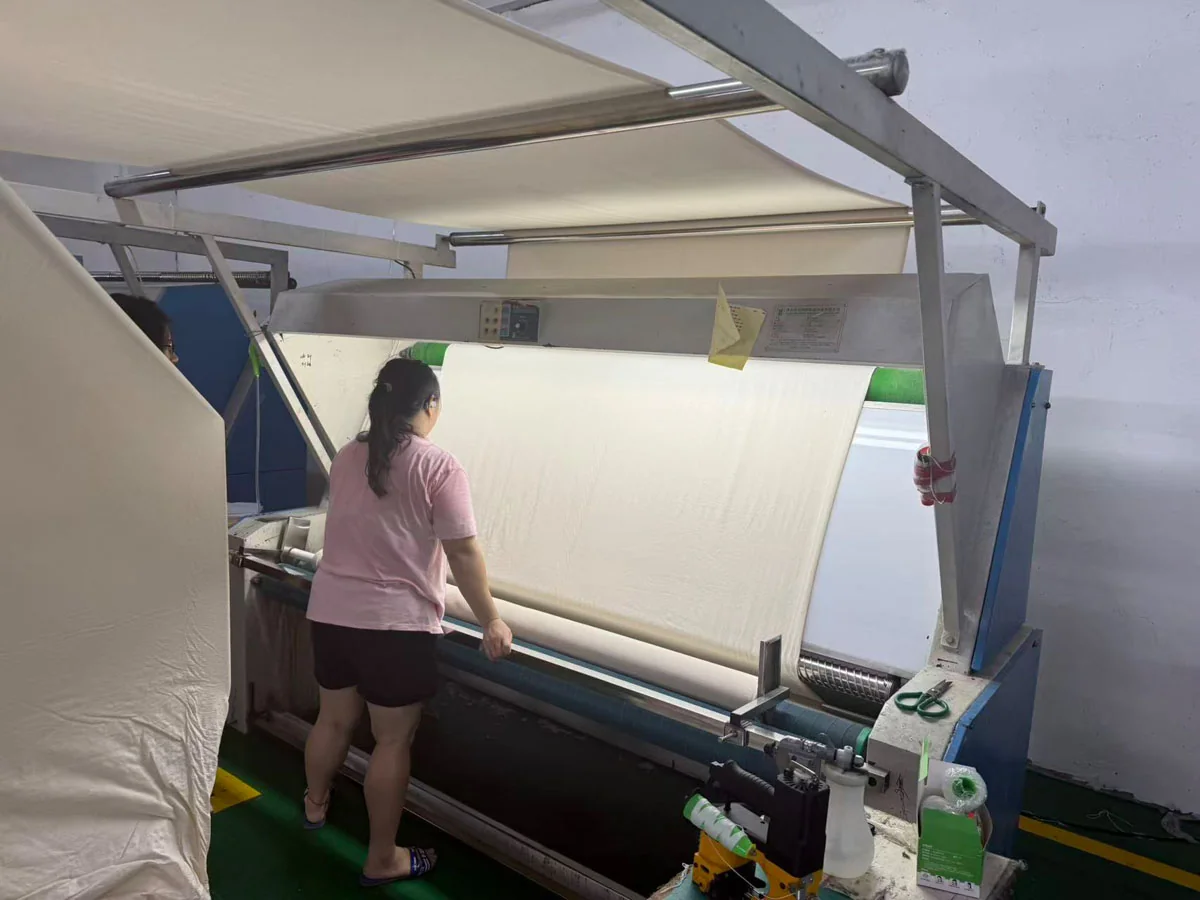
Decisions this guide helps you control
It may reduce material-development work, but color, stock and repeatability still need confirmation.
Composition, construction, GSM, finish and color must be approved as one material reference.
Fabric-mill requirements can control a project before sewing quantity is considered.
In this guide
Fabric sourcing determines more than hand feel. It affects sampling speed, minimums, repeatability, color control, fit, documentation and production planning. B2B buyers should first decide whether the product can work with an available material, needs a custom color, or requires a material to be developed around a defined technical brief.
Underwear fabric sourcing: the short answer
Underwear fabric sourcing usually follows one of three routes: an available material, an established construction in a new color, or full custom development. The correct route depends on required composition, GSM, stretch and recovery, finish, color, documentation, quantity and repeatability. Buyers should approve one material reference and connect it to sampling, fit, costing and production before treating the sourcing choice as final.
Material sourcing decision route
| Route | Best fit | Key approval gate |
|---|---|---|
| Available material | Early validation or projects flexible on exact color and finish. | Confirm current availability, lot consistency, repeatability and reservation timing. |
| Established construction + custom color | The fabric performance is suitable, but the brand needs a defined color. | Approve color reference and lab dip while keeping construction, GSM and finish controlled. |
| Full custom development | The project requires a specific composition, knit, weight, stretch, recovery or finish. | Approve one complete material specification and fit-test it before bulk commitment. |
Material availability, minimums and lead time remain subject to the exact fabric, color, supplier and production plan. Use the Sunin Underwear Resource Center, sample development guide, tech pack guide and current MOQ guide for connected decisions.
1. What “available fabric” should mean
An available or stock-supported fabric is a material the supply chain can currently offer without starting a new development from zero. It may still require confirmation of current inventory, color availability, lot consistency, repeatability and reservation timing.
Useful for
- Early concept validation
- Faster sample preparation
- Projects flexible on exact color or finish
- Lower-risk testing before wider customization
Available does not mean permanently stocked. Confirm the exact material reference and whether sample yardage and bulk yardage can come from the same approved specification.
Ask how repeat orders, shade continuity and lot changes will be managed.
2. What custom fabric development involves
Custom development can include composition, yarn, knit structure, target GSM, stretch direction, recovery, surface finish, color, printing or other project-specific properties. Each additional variable creates a decision and an approval step.
| Input | What to define |
|---|---|
| Composition | Fiber mix and whether substitutions are acceptable. |
| Construction | Knit structure and intended stretch direction. |
| Weight | Target GSM or approved physical reference. |
| Performance | Recovery, opacity, shrinkage or project-specific test method. |
| Finish | Hand feel, surface appearance and functional finish, if any. |
If exact numeric values are not yet known, provide a reference product and describe the intended result. The team can then identify which items remain working assumptions rather than disguising them as confirmed specifications.
3. Separate custom color from full custom development
A project may use an established material construction but require a new color. That is different from creating a new fabric specification. Define the color reference, approval light source, intended end use and tolerance method for the project.
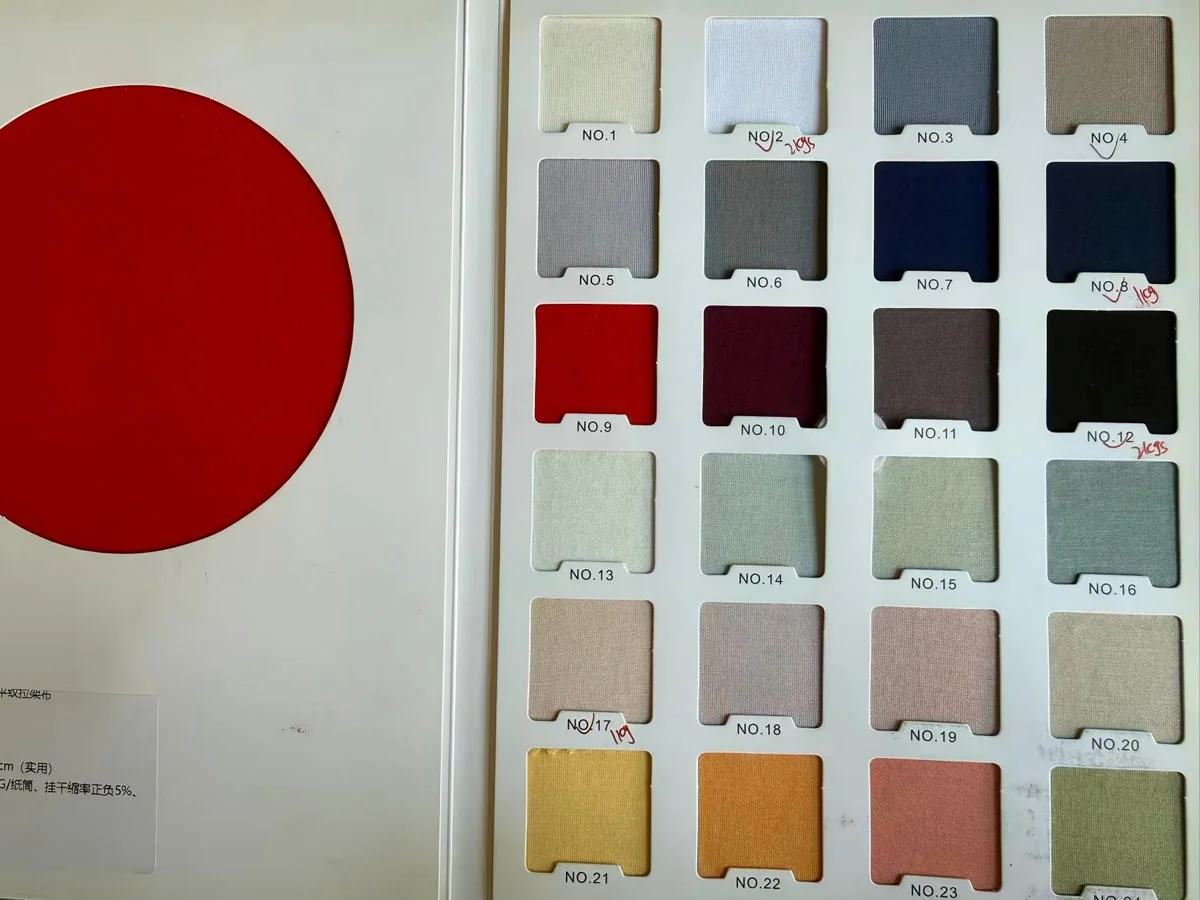
Lab dip or color-swatch approval does not by itself approve the final garment appearance. Fabric surface, GSM, finishing and cut orientation can influence how color is perceived.
4. Fabric MOQ and garment MOQ are not the same
A sewing program can have one commercial minimum while the fabric mill, dyeing process, print method, elastic supplier or packaging supplier has another. The controlling constraint is the requirement that is hardest to satisfy within the intended product scope.
Quantity by style, color and size determines production setup and allocation.
Fabric, dyeing, printing and trim requirements may apply by color, construction or batch.
This is why a single total quantity is not enough for feasibility review. Provide the breakdown by style and color before expecting a reliable MOQ direction. Sunin’s custom underwear MOQ guide explains how these constraints interact.
5. Use the actual fabric for fit decisions
Pattern dimensions cannot be separated from material behavior. Stretch, recovery, weight, surface friction and shrinkage can change how the same garment measurements fit on the body.
- Use the intended production fabric for fit approval where feasible.
- If a substitute is used, identify which findings remain provisional.
- Recheck waistband and leg-opening tension after a material change.
- Record wash or shrinkage conditions used during evaluation.
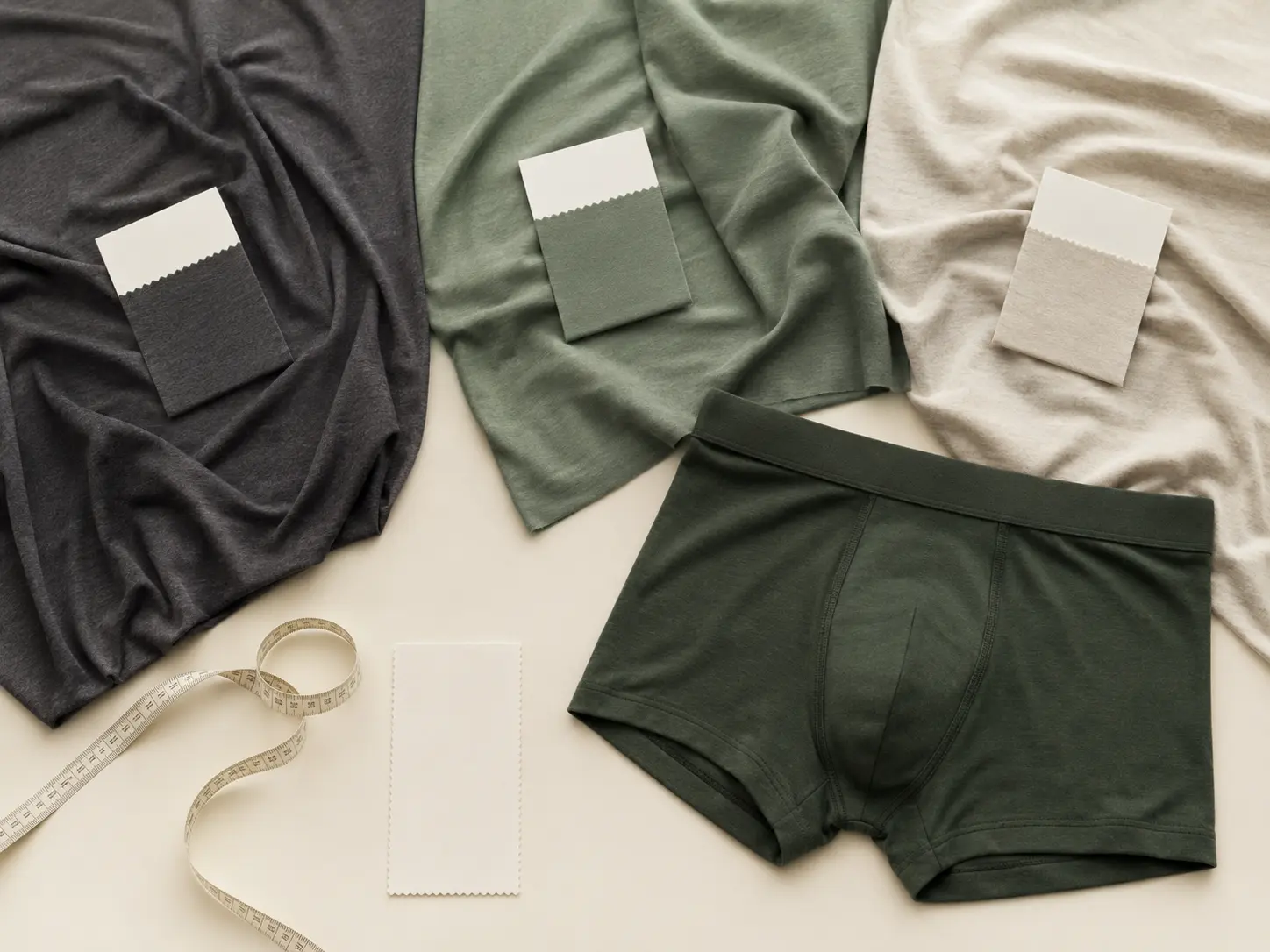
A soft hand feel does not guarantee suitable recovery, and a high-stretch reading does not guarantee the correct support. Review the finished garment, not only the fabric swatch.
6. Verify documentation for the exact project
If compliance or material documentation is required, verify the exact document, holder, scope, selected material reference and current validity for the project. Supplier-held evidence does not automatically apply to Sunin, the production facility or the finished garment.
Testing, traceability, market labeling and customer documentation can change material choice, lead time and cost scope.
Do not describe a program as certified or compliant until the current evidence and its applicability have been verified for the exact product and claim.
7. Build an approved material reference
A complete reference should connect the fabric code or specification, composition, construction, target weight, stretch direction, color, finish, approved swatch or cutting, test method where required, supplier or mill reference, and approval date.
Version-control checklist
- One visible material name or code
- Approved physical or digital color reference
- Current technical values and tolerances
- Linked sample and tech-pack revision
- Clear owner and date of approval
- Recorded change history
If the material changes, the fit and commercial assumptions should be reviewed again. The tech pack guide shows how to keep the material reference connected to the product specification.
8. Plan material lead time inside the production plan
Available material, custom color and full development do not carry the same timeline. Sampling, lab dip review, test requirements, material production, inspection and shipment to the garment facility may all occur before cutting begins.
For a fully customized program, normal bulk production is typically planned at approximately 60 calendar days only after final specifications, materials and documentation, deposit, approvals and scheduling are complete. Peak periods may require approximately 60–75 days, subject to actual workload and complexity. This production timing excludes international transport and customer receipt.
This reduces the risk that an attractive sample and a bulk order are built around different assumptions.
Frequently asked questions
Is stock fabric always faster?
It can reduce development work, but current stock, color, lot consistency, reservation and repeatability must still be confirmed.
Is custom color the same as custom fabric?
No. A new color may use an existing material construction, while full development can change composition, knit, GSM, stretch or finish.
Why can fabric control the MOQ?
Mill, dyeing, printing or trim requirements may apply by construction, color or batch and can exceed the garment assembly minimum.
Can fit be approved in substitute fabric?
Only with limits clearly recorded. Material behavior affects fit, so key conclusions should be rechecked in the intended production fabric.
How should documentation be handled?
Verify the exact document, holder, scope, validity and applicability to the selected material and finished-product claim for the project.
Choose the material route before it chooses the project risk.
Send your product reference, fabric direction, color plan and order structure so available and custom-development options can be reviewed.