
Multi-pack planning guide
Underwear Multi-Pack SKU Planning: Sizes, Colors and Carton Control
Reconcile garment units, color assortments, retail packs, size SKUs, barcode data and carton quantities before production and packing.
Decisions this guide helps you control
State how many garments and which assortment belong in one retail unit.
Connect size, color combination, barcode, label and pack quantity.
Pack counts, carton marks and totals must agree with the purchase order.
In this guide
Underwear multi-pack SKU planning begins with a simple question: what exactly is one sellable unit? A “3-pack boxer brief” can mean one fixed color combination, several rotating assortments or a buyer-selected mix. Without a controlled matrix, garment production can be correct while retail packing, barcode labeling or carton quantities are wrong.
Underwear multi-pack SKU planning: the short answer
Define the garments in one 2-pack, 3-pack or 4-pack; create the allowed color combination for each size; assign one internal SKU and buyer-approved barcode record to each retail unit; specify folding, inserts, pack material and labels; then state retail packs per carton. Confirm that garment units, retail packs, SKU totals and carton totals reconcile before packing starts.
SKU-to-carton reconciliation matrix
| Control level | Required record | Reconciliation check |
|---|---|---|
| Garment unit | Style, color, size and quantity. | All produced garments are allocated to a valid pack. |
| Retail assortment | Exact colors and sequence in each 2-, 3- or 4-pack. | Pack contents match the approved matrix. |
| Retail SKU | Size, assortment code, label and buyer-provided barcode data. | One identifier maps to one sellable unit. |
| Master carton | Retail packs per carton, carton number and marks. | Carton quantity multiplied by contents matches the order. |
| Shipment total | Carton count, retail packs and garment units. | Purchase order, packing list and physical goods reconcile. |
Retailer, marketplace, barcode, carton and logistics requirements are project-specific. The examples in this guide are planning structures only; they are not customer data or a universal packing standard.
1. Define the retail unit first
State the pack count, garment style, material, waistband and size rule. Then define whether every retail pack has the same assortment or whether several assortment codes are allowed.
For example, “3-pack, black/grey/navy, one size per retail pack” is clearer than “mixed colors.” If color order matters in a box or sleeve, show the sequence in the packaging specification.
2. Control the color assortment
Create an assortment code for every allowed combination. Do not let operators substitute colors based on availability unless the buyer has approved a written substitution rule.
| Assortment code | Pack contents | Use |
|---|---|---|
| A | Black + grey + navy | Illustrative fixed combination only. |
| B | Two black + one grey | Illustrative replenishment combination only. |
| C | Buyer-approved seasonal colors | Use only when the exact colors and sequence are listed. |
These are dummy planning examples. A real project should use the buyer’s approved color names, internal codes and pack sequence.
A late color-combination change can affect labels, photography, barcode records, printed sleeves and carton allocation.
3. Define the size rule for every pack
Most multi-packs use garments of one size in each retail unit, but the specification should say so. If a mixed-size promotional set is required, list the exact contents as a separate SKU.
Use one approved size naming system across garment labels, retail packaging, purchase order and carton marks. If market-facing sizes differ from the factory’s internal size codes, include the mapping.
4. Build the SKU matrix before ordering labels
Each row should identify style, size, assortment, garment colors, pack count, packaging version, retail SKU, barcode data supplied or approved by the buyer, order quantity and carton rule. Control the revision date and owner.
Use dummy barcode numbers in development layouts until the buyer provides or authorizes final data. Never copy a barcode from another product simply to complete artwork.

5. Approve folding and retail-pack assembly
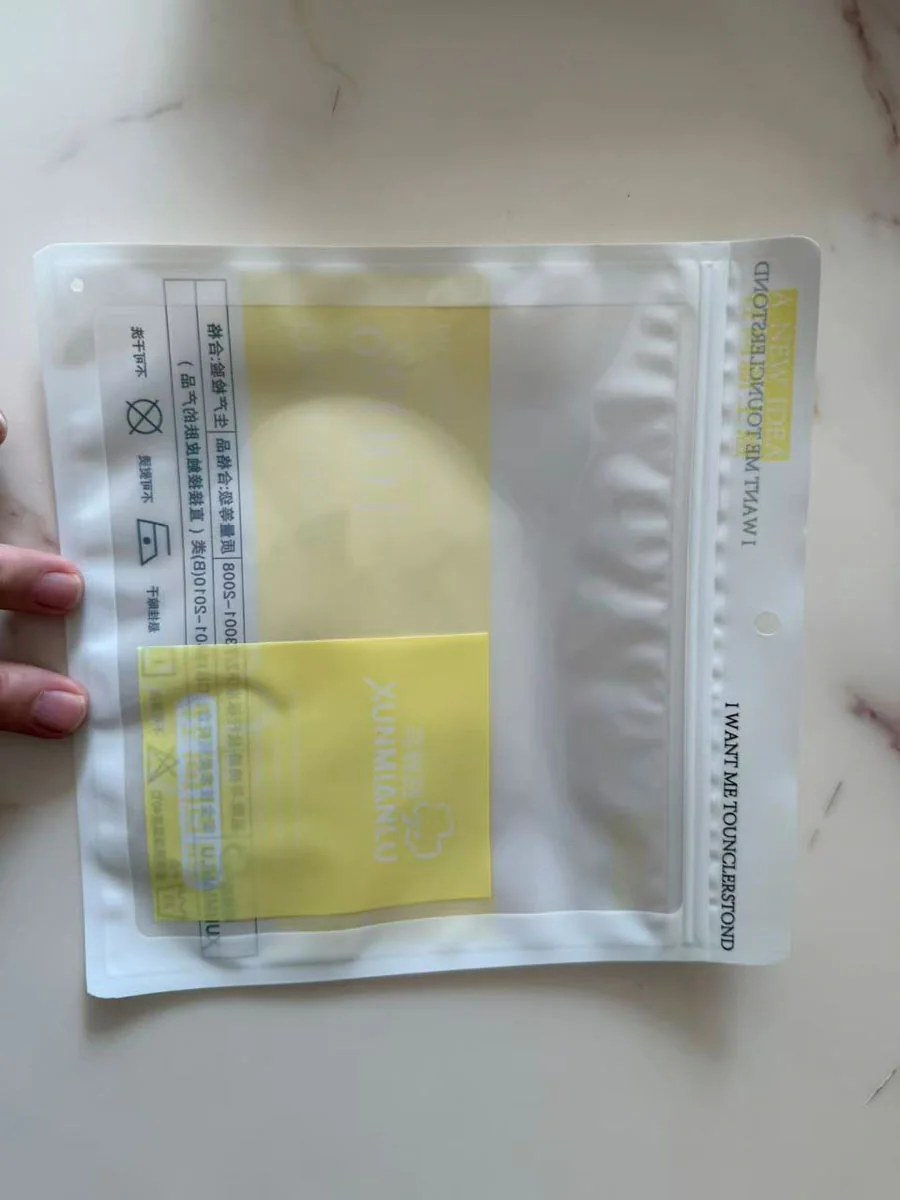
Show the fold direction, visible waistband or logo, garment sequence, insert position, closure, label position and any size sticker. Approve a packed sample because a flat dieline does not prove that the garments fit or present correctly.
- Folded garment dimensions
- Garment order within the pack
- Waistband/logo visibility
- Insert or backing card
- Pack material and closure
- Size and barcode label positions
- Warning or compliance text supplied by buyer
- Approved packaging sample
6. Define carton contents and identification
State whether cartons contain one SKU or mixed SKUs, retail packs per carton, any inner-pack structure, carton numbering and required marks. Carton dimensions and gross weight should be confirmed from the actual approved packing configuration rather than assumed from a universal limit.
If mixed-SKU cartons are permitted, include a carton-level matrix that names every SKU and quantity. The packing list must be able to trace the contents without opening every carton.
7. Reconcile bulk packing before shipment
Run a four-way check: garment production totals, retail pack totals, SKU totals and carton totals. Investigate any remainder, shortage or overage rather than hiding it in a mixed carton.
Review representative packed units for correct size, assortment, label, barcode, pack condition and carton allocation. Keep approved references at the packing line and record the version used.

Frequently asked questions
Is a 3-pack one SKU or three SKUs?
The sellable 3-pack is normally controlled as one retail SKU, while its three garment units still need traceable style, color and size records.
Can colors be substituted inside a multi-pack?
Only under a buyer-approved rule. Otherwise, each assortment should match the fixed matrix.
Who should provide the barcode?
The buyer should provide or formally approve the barcode data and ownership arrangement. Use dummy data only for development layouts.
Should cartons contain one SKU?
That is project-specific. Single-SKU cartons are simpler to identify; mixed cartons require a precise carton-level content matrix.
How should carton weight be planned?
Confirm it from the approved garment and packaging configuration plus the project’s logistics requirements; do not assume a universal weight.
Reconcile every garment, pack and carton.
Build the order from the retail unit upward so product, identification and shipment totals agree.