
Production control guide
Men’s Underwear Quality Control: What Brands Should Check Before Bulk Production
A practical B2B checklist for controlling materials, measurements, seams, waistbands, labels, packing and inspection criteria.
ALT: Men’s underwear quality control inspection
In This Guide
Measurements, fabric, color, waistband, labels and packing need one controlled version.
Material, measurements and stretch seams should be checked before the order is complete.
Agree inspection criteria, assortments, labels, cartons and evidence before shipment.
Table of contents
Men’s underwear quality control starts before final inspection. A wrong elastic tension, fabric shade difference or measurement drift can affect hundreds of garments when the approved standard is unclear. Effective QC begins with the specification and approved sample.
Men’s underwear quality control starts with an approved reference
The production team needs one controlled reference for measurements, fabric, color, waistband, labels, construction and packaging. If changes are agreed through messages but never transferred into the production specification, different teams may work from different versions.
2. Review incoming materials
Check the body fabric, lining, elastic, labels and packaging against the approved references. Depending on the project, relevant checks can include composition documentation, GSM, width, color, hand feel, stretch, recovery and visible defects. Custom colors and prints should be compared with the approved standard under consistent conditions.
3. Control measurements during production
Do not wait until the entire order is complete to discover a measurement problem. Critical points may include waist, hip, front and back rise, side seam, inseam, leg opening and pouch-related measurements. The exact list depends on the style.

4. Inspect seam performance, not only appearance
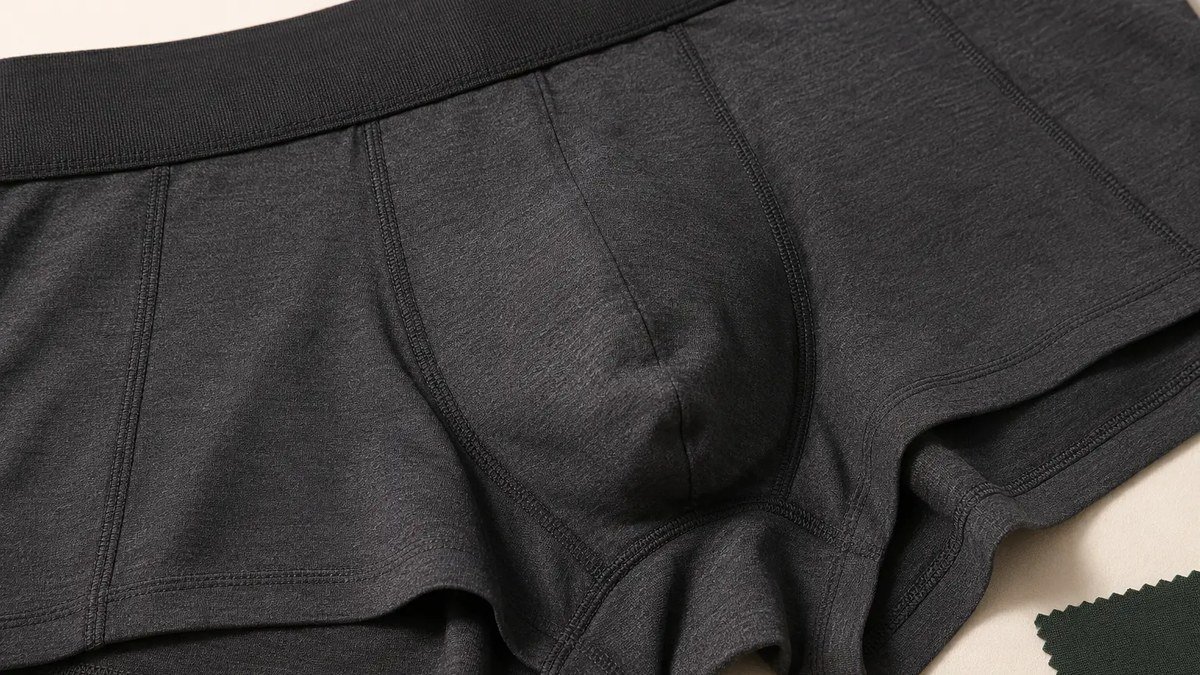
Men’s underwear must stretch repeatedly during dressing and wear. A seam can look clean while lying flat but fail when the fabric is extended. Review skipped stitches, broken threads, seam elasticity, needle damage, puckering and reinforcement at stress areas. Construction should be evaluated together with fabric stretch and intended fit. See also our guide to why men’s underwear back seams break and how to reduce the risk.
5. Check waistband tension and branding
The waistband should be reviewed for width, logo position, repeat, join, curl, recovery and tension on the garment. Printed, jacquard and applied-logo elastics have different failure modes. Branding should remain visually consistent across sizes while the elastic still performs its functional job.
6. Verify labels, assortment and packaging
A technically good garment can still create a costly warehouse problem if sizes, care labels, barcodes or pack ratios are wrong. Final checks should confirm label content, size identification, color assortment, pack quantity, packaging orientation and carton marks against the approved order information.
7. Define inspection criteria before shipment
If a buyer requires a specific inspection method, sampling plan or third-party inspection, it should be agreed before production is completed. Do not assume that one inspection standard automatically applies to every brand or market. Product-specific testing and compliance documents should also be defined by the buyer’s destination and claim requirements.
Sunin Underwear’s production-control approach
Sunin Underwear uses approved specifications and samples as the reference for bulk production. Checks can cover incoming materials, measurements, workmanship, waistband and label placement, color or print consistency and packing verification. The exact QC plan should match the product and buyer requirements rather than rely on a generic checklist. For pouch-specific construction considerations, see our pouch underwear design guide.
Normal bulk production is approximately 60 calendar days after specifications, approved samples, payment and all production information are confirmed. Peak-season or custom-material projects may require approximately 60–75 calendar days. These ranges cover production only and exclude international shipping; they are planning estimates rather than guaranteed delivery dates.
Frequently asked questions
What are the most important QC points for boxer briefs?
Measurements, fabric condition, seam stretch, pouch construction, leg opening, waistband tension, branding, labels and packing are common priorities.
Should QC start only after production is finished?
No. Material and in-line checks can identify problems before they affect the complete order.
Is AQL always required?
Not automatically. If a buyer requires a specific sampling plan or inspection standard, it should be agreed for the project before final inspection.
How should stretch seams be checked?
Review both appearance and performance under controlled extension. The seam, thread, stitch type and fabric need to work together.
Can certification documents replace product QC?
No. Certificates and test reports address specific facilities, materials or test scopes. They do not replace workmanship, measurement and packing inspection.
Related resources
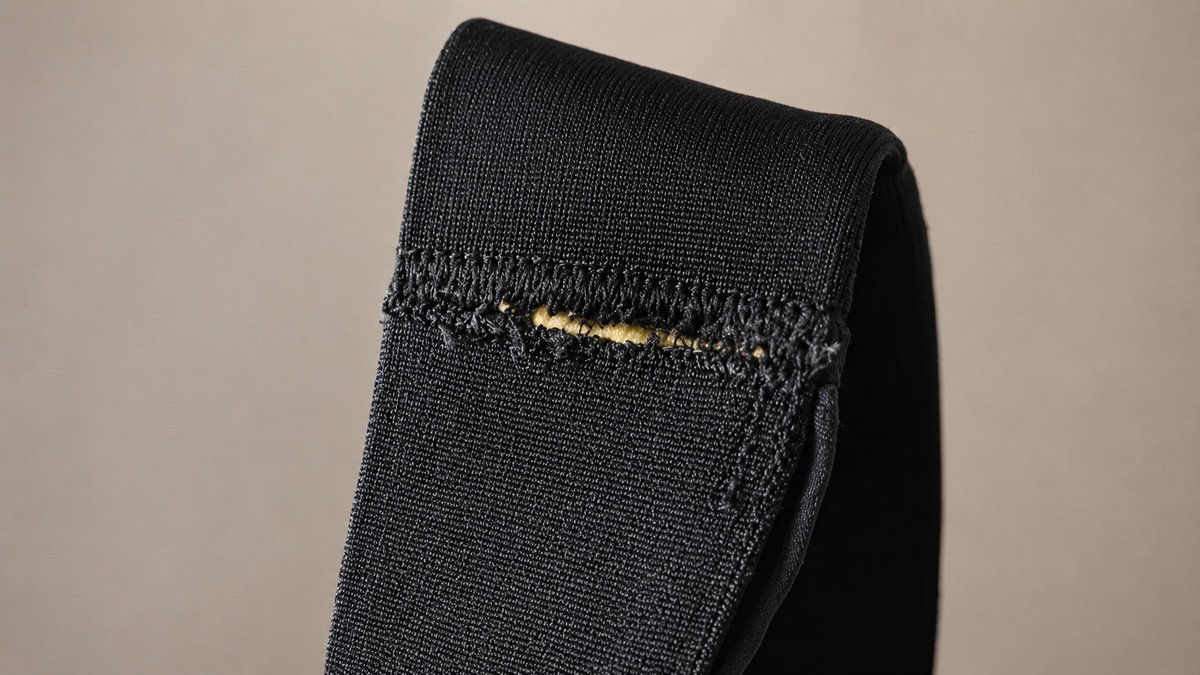
Why Does the Back Center Seam of Men’s Underwear Break?
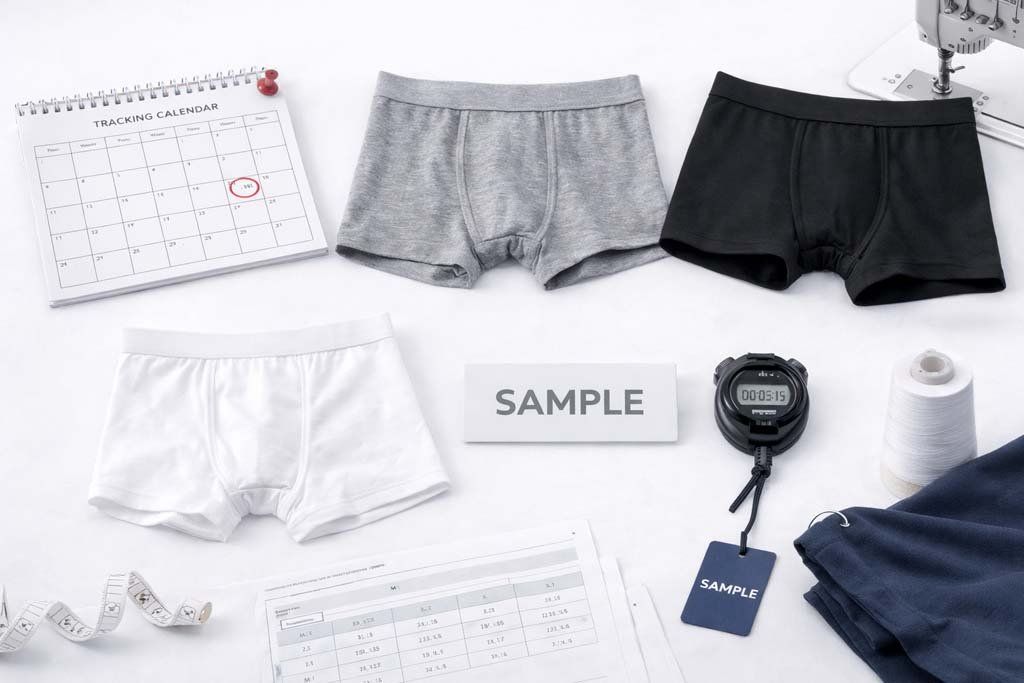
How Men’s Underwear Is Manufactured: A Practical OEM Production Guide
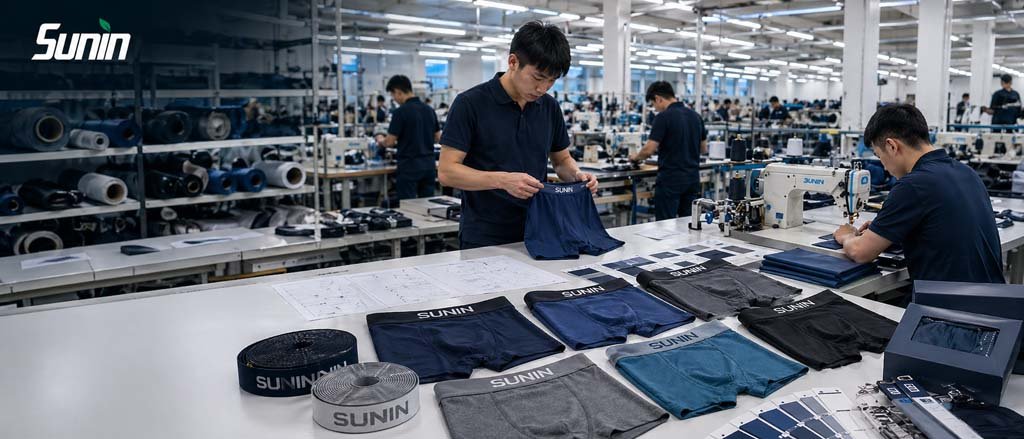
Define the approved standard before the production line starts.
Share the product specification, material, measurements, inspection criteria, packaging and destination requirements already known.