
Practical OEM production guide
How Men’s Underwear Is Manufactured
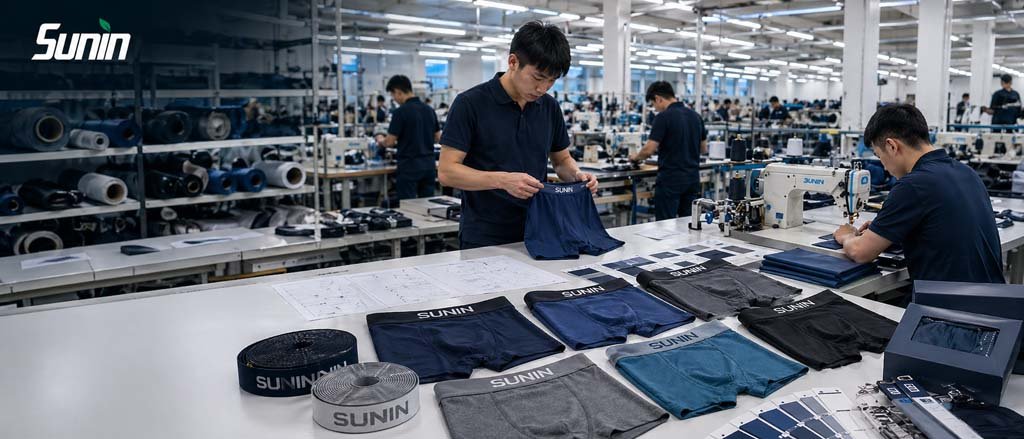
From product specification and fabric review to cutting, sewing, quality checks and packing—see how a production-ready men’s underwear program is controlled.
ALT: Men’s underwear manufacturing process from specification to finished garment
In This Guide
Fit, measurements, fabric, elastic, branding and packaging must point to the same approved product.
Cutting accuracy, seam extension and in-line measurement checks reduce avoidable variation.
Finished goods should be checked against the confirmed specification and packing plan.
Table of Contents ↓
- 01Convert the product idea into a production specification
- 02Review fabrics and components
- 03Pattern development and sampling
- 04Approval and production preparation
- 05Cutting
- 06Sewing and assembly
- 07In-line quality checks
- 08Finishing, labels and packing
- 09Final inspection and shipment preparation
- 10How long does bulk underwear production take?
- 11What buyers should prepare before contacting a factory
- 12Frequently asked questions
Men’s underwear looks simple when folded in a retail pack, but reliable bulk production depends on a chain of decisions made before sewing starts. Fit, fabric stretch, waistband tension, pouch construction, seam elasticity and packaging all need to work from one approved specification.
Step 1: Convert the product idea into a production specification
The factory first needs a defined style, measurements, size range, fabric, colors, quantity, waistband, branding and packaging. A reference sample or sketch can help, but unclear details should be resolved before costing and sampling. The objective is to make sure the buyer and factory are developing the same product. Buyers preparing a complete brief can review Sunin’s custom men’s underwear manufacturing service.
Step 2: Review fabrics and components
Fabric is evaluated by more than fibre content. Weight, knit construction, stretch, recovery, opacity, hand feel, color and finishing affect how the garment behaves. Waistbands, labels, prints and packaging are reviewed as separate components because each may have its own supplier requirements. See the B2B fabric and process selection guide for more detail.
Step 3: Pattern development and sampling
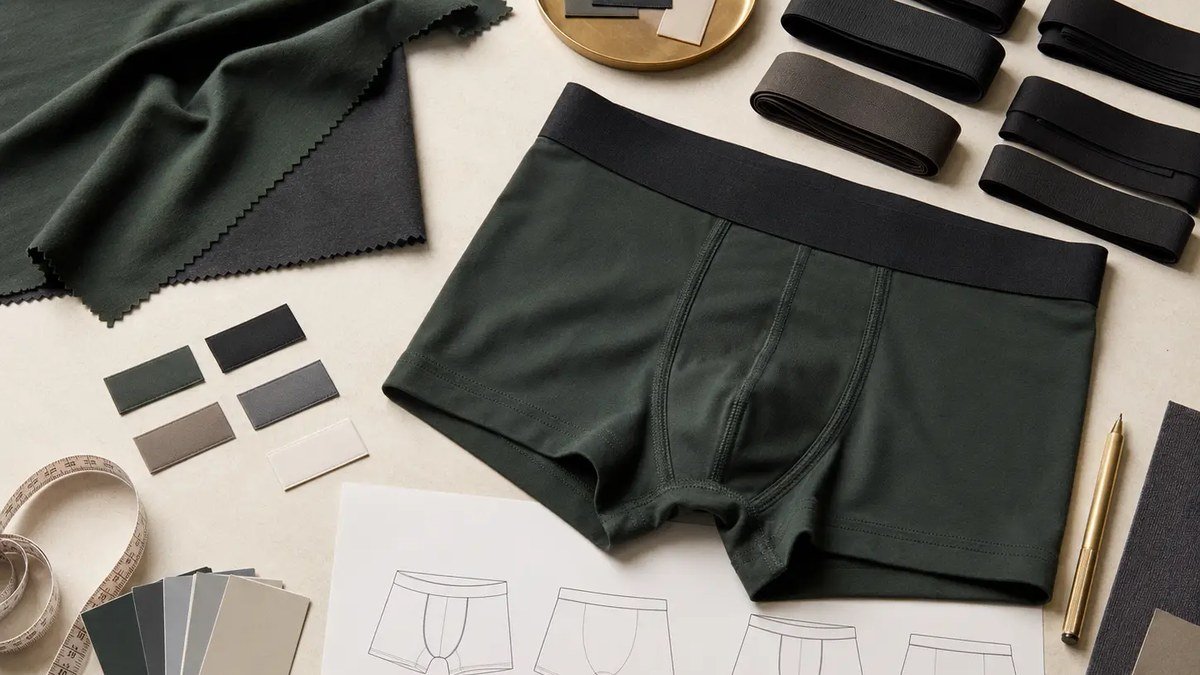
The pattern translates the intended fit into cut pieces. Boxer briefs and trunks may require decisions about front rise, pouch volume, gusset, side seam, inseam and leg opening. The sample is then reviewed for fit, measurements, workmanship and the interaction between fabric and elastic.
Step 4: Approval and production preparation
Before bulk production, approved measurements, pattern version, fabric reference, colors, waistband, labels, artwork and packaging should be locked. Material ordering and production planning are safer when changes are recorded before the order enters the line.
Step 5: Cutting
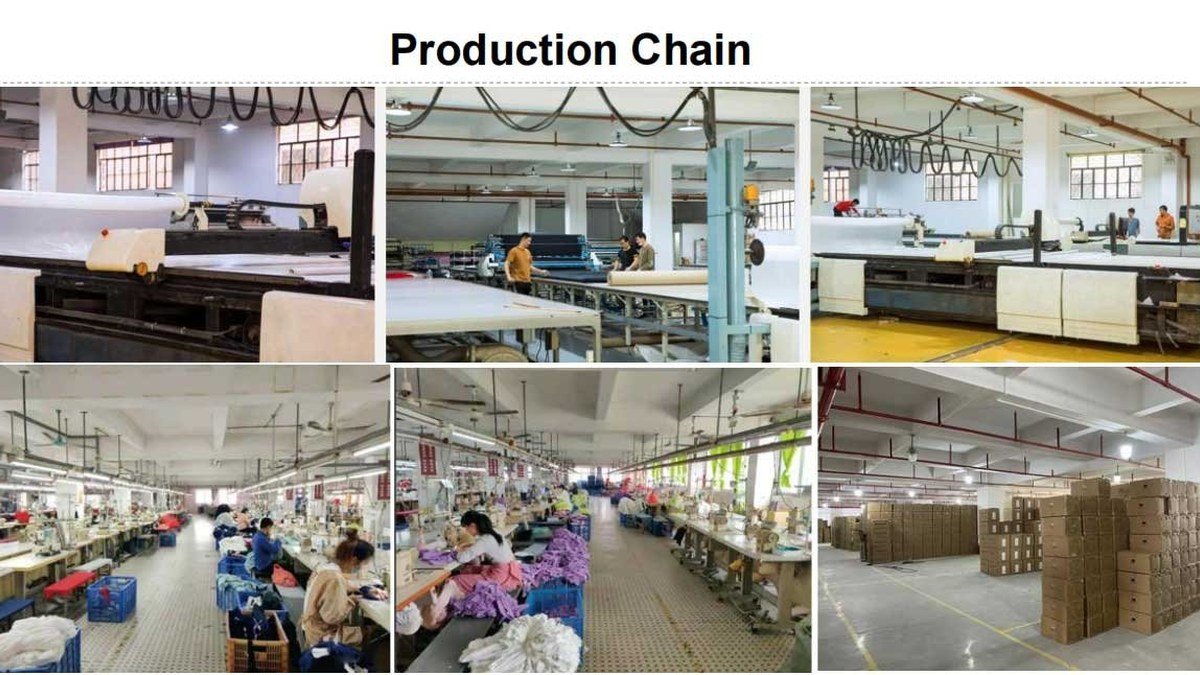
Fabric is prepared and cut according to the approved pattern and size plan. Direction, stretch and print placement need attention where relevant. Cutting accuracy matters because small errors can appear later as twisted seams, uneven legs or measurement variation.
Step 6: Sewing and assembly
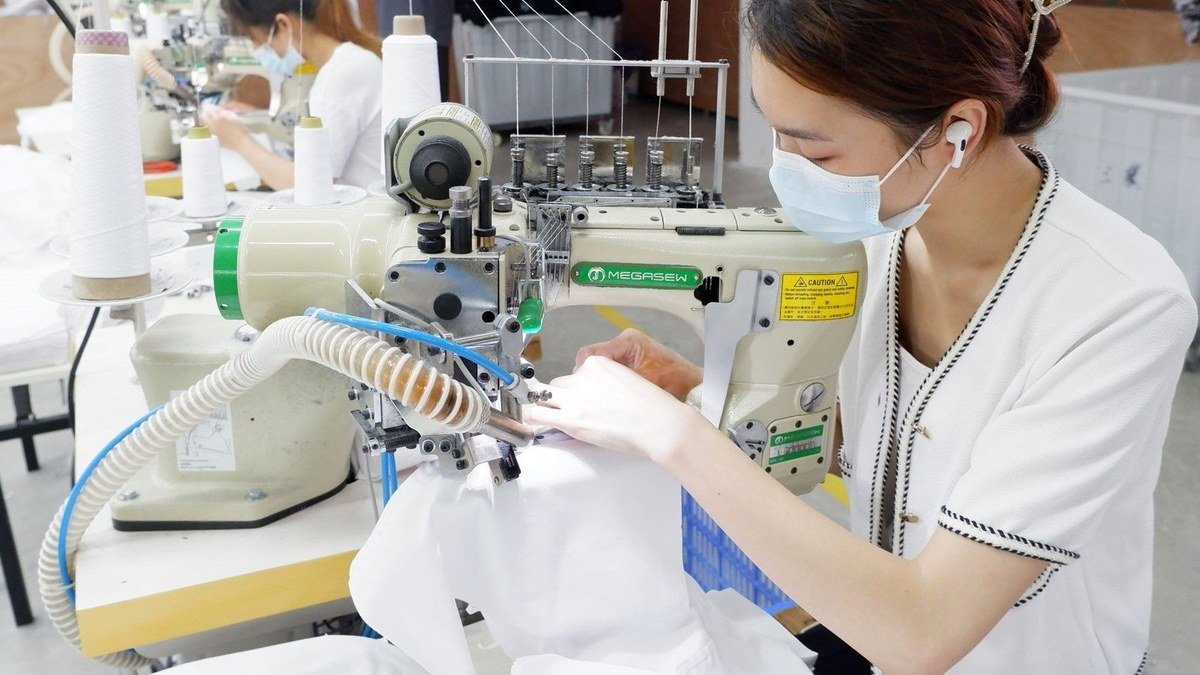
The sequence depends on the construction. Pouch panels, gussets, side seams, inseams, leg openings and waistbands are assembled using stitch types appropriate for the material and stretch requirement. Operators need to control seam extension and avoid excessive tension that can distort soft knitted fabrics.
Step 7: In-line quality checks
Measurements and workmanship should be checked during production, not only after the final garment is packed. In-line review can identify seam, tension, alignment or measurement issues while corrective action is still practical. Our guide to back-center seam failure in men’s underwear illustrates why construction and stretch must be reviewed together.
Step 8: Finishing, labels and packing
Loose threads and visible defects are reviewed, labels and branding are checked, and garments are sorted by size and color. Packing follows the approved single-pack or multipack plan, including any cards, bags, boxes, barcodes and carton marks.
Step 9: Final inspection and shipment preparation
Final inspection should compare finished goods with the approved specification and agreed inspection requirements. Carton quantities and shipment information are then prepared according to the agreed trade and logistics plan.
How long does bulk underwear production take?
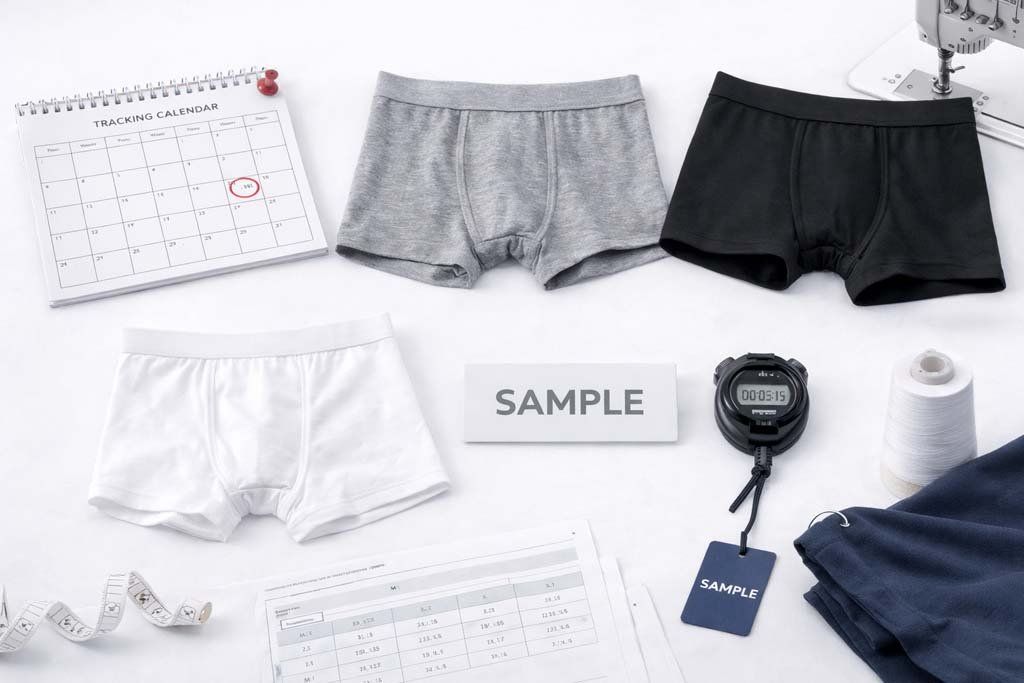
For Sunin Underwear, normal bulk production is approximately 60 calendar days after specifications, approved samples, payment and all production information are confirmed. Peak-season or custom-material projects may require approximately 60–75 calendar days. These ranges cover production only and exclude international shipping; they are planning estimates rather than guaranteed delivery dates. The practical timeline is affected by fabric, custom elastic, printing, packaging and approval speed, not only sewing capacity.
What buyers should prepare before contacting a factory
Send the style or reference, expected quantity, fabric direction, colors, sizes, waistband artwork, labels, packaging and destination market. A complete brief makes it easier to identify component minimums, sampling needs and realistic timing before production starts.
Frequently asked questions
Short answers to the decisions buyers most often need to control before bulk production.
What is the first step in underwear manufacturing?
Define the product specification: style, fit, measurements, fabric, quantity, colors, sizes, waistband, branding and packaging.
Why is fabric stretch important in boxer brief production?
Stretch and recovery affect fit, seam performance, leg opening and waistband balance. Composition alone does not describe these properties.
When should custom packaging be confirmed?
During development, not after production is complete. Packaging may have separate supplier minimums and artwork lead times.
How long does bulk men’s underwear production take?
Sunin Underwear normally plans approximately 60 calendar days after all specifications, samples, payment and production information are confirmed, with approximately 60–75 calendar days possible in peak season or custom-material projects. These ranges exclude international shipping and are not guaranteed delivery dates.
What should be approved before bulk production?
The pattern or measurements, production fabric, colors, waistband, construction, labels, artwork, packaging and size/quantity breakdown.
Related resources
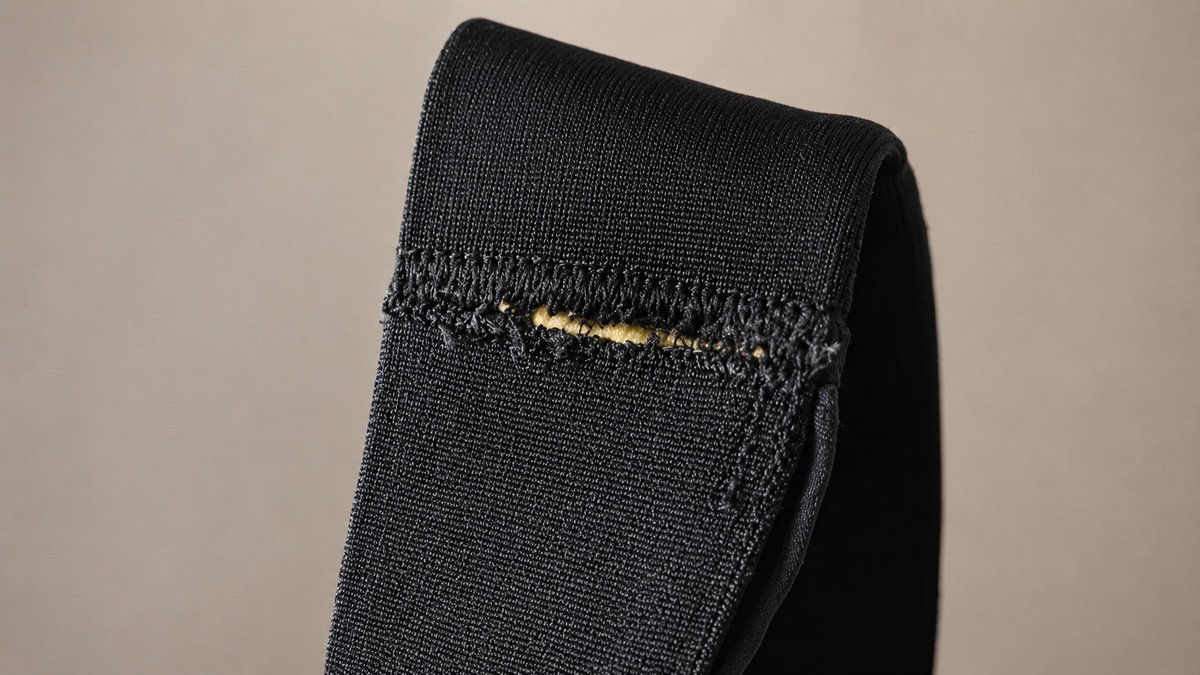
Why Does the Back Center Seam of Men’s Underwear Break?
Bring the product brief before asking for a production promise.
Share the style or reference, quantity, fabric direction, colors, sizes, waistband, branding, packaging and destination already known.